
When it comes to maintaining a healthy gut, diet and lifestyle choices are the first line of defense. However, sometimes our busy lives or specific digestive issues can make it challenging to maintain the optimal balance of gut bacteria. This is where gut-friendly supplements come into play. These supplements, including probiotics, prebiotics, digestive enzymes, and others, can support and enhance your gut health when used in conjunction with a balanced diet. In this blog, we’ll explore the role of gut-friendly supplements, what to look for when choosing one, and how they can make a real difference in your digestive health.
In today’s fast-paced world, it’s easy for gut health to fall by the wayside. Whether it’s due to poor dietary choices, stress, or environmental factors, our digestive systems can often struggle to maintain the delicate balance of good and bad bacteria that is essential for overall health. That’s where gut-friendly supplements come in, providing targeted support to help restore balance and promote better digestion.
1. Probiotics: The Good Bacteria
Probiotics are one of the most well-known gut-friendly supplements. These are live bacteria that provide various health benefits, especially for your digestive system. Probiotics work by increasing the number of beneficial bacteria in your gut, which can help balance your microbiome and improve digestion.
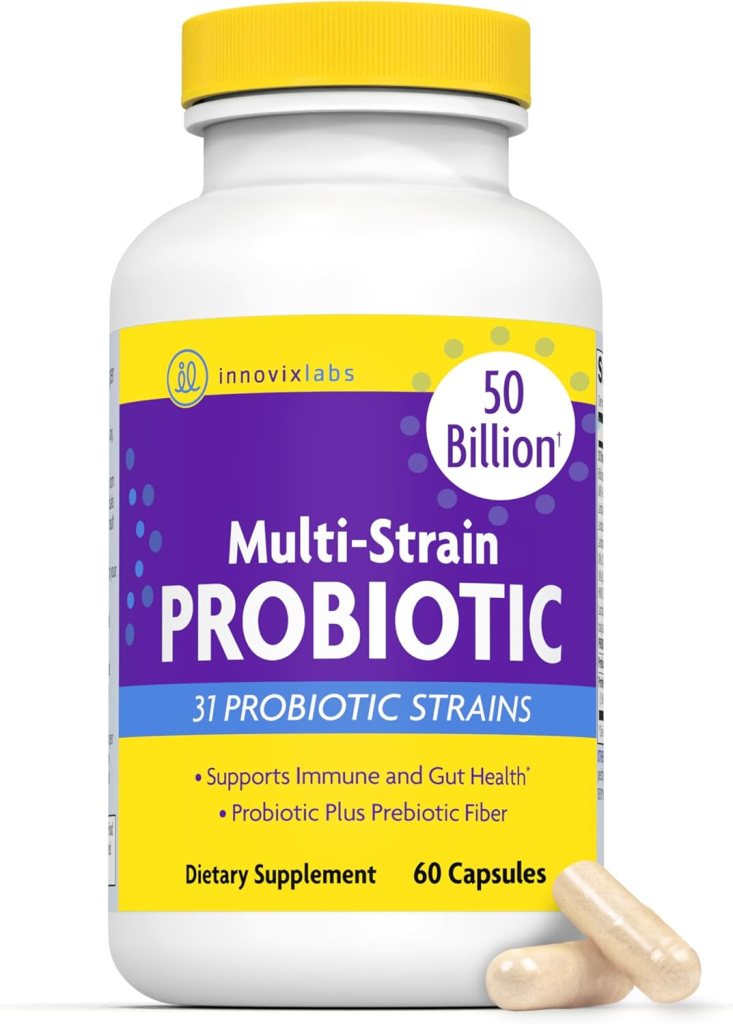
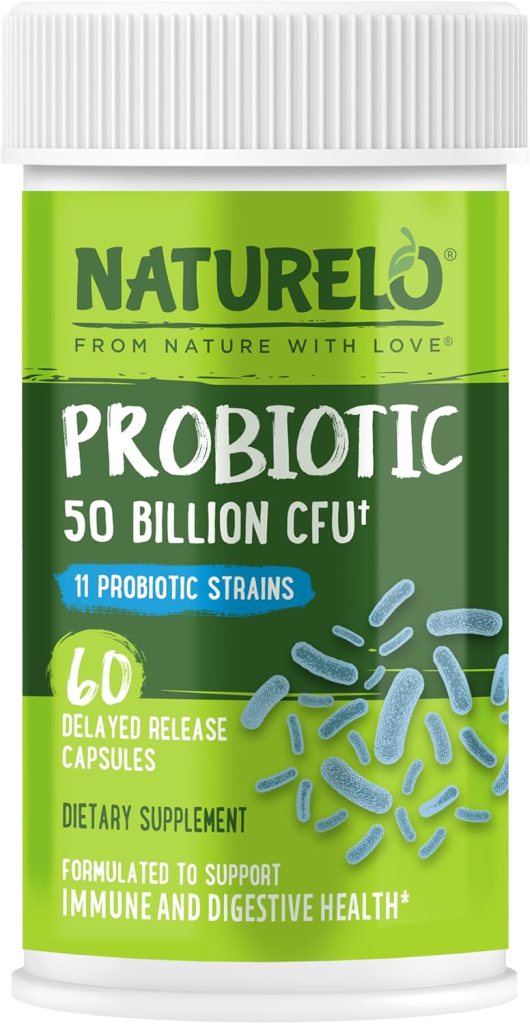
For example, certain strains of probiotics, like Lactobacillus and Bifidobacterium, have been shown to aid in the breakdown of food, improve gut motility, and reduce symptoms of bloating, constipation, and diarrhea. You can find probiotics in supplement form, but they’re also naturally present in foods like yogurt, kefir, and fermented vegetables. If you’re looking for a specific probiotic for gut health, make sure it’s a multistrain probiotic to ensure you’re supporting a wide variety of beneficial bacteria.
Here is a list of recommended multistrain probiotic supplements. Note to always do research on products.

2. Prebiotics: Fuel for the Good Bacteria
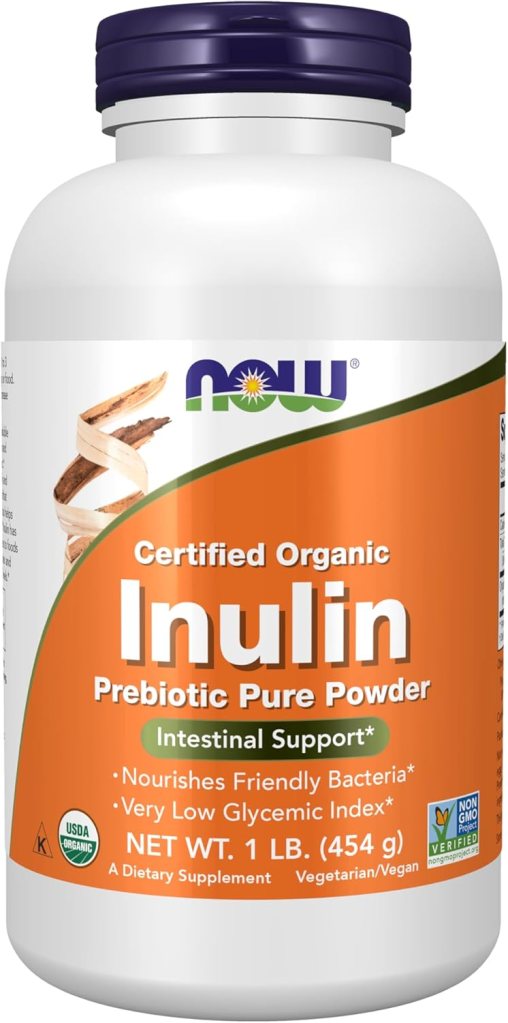
Prebiotics are a type of fiber that your body cannot digest. They act as food for the good bacteria in your gut, promoting the growth and activity of beneficial microorganisms. Unlike probiotics, which add bacteria to your gut, prebiotics help nourish the bacteria that are already there.
Some of the most common prebiotic-rich foods include garlic, onions, bananas, and asparagus, but they can also be taken in supplement form. Prebiotic supplements often contain inulin or fructooligosaccharides (FOS), both of which can improve the gut’s bacterial balance and support digestive health.


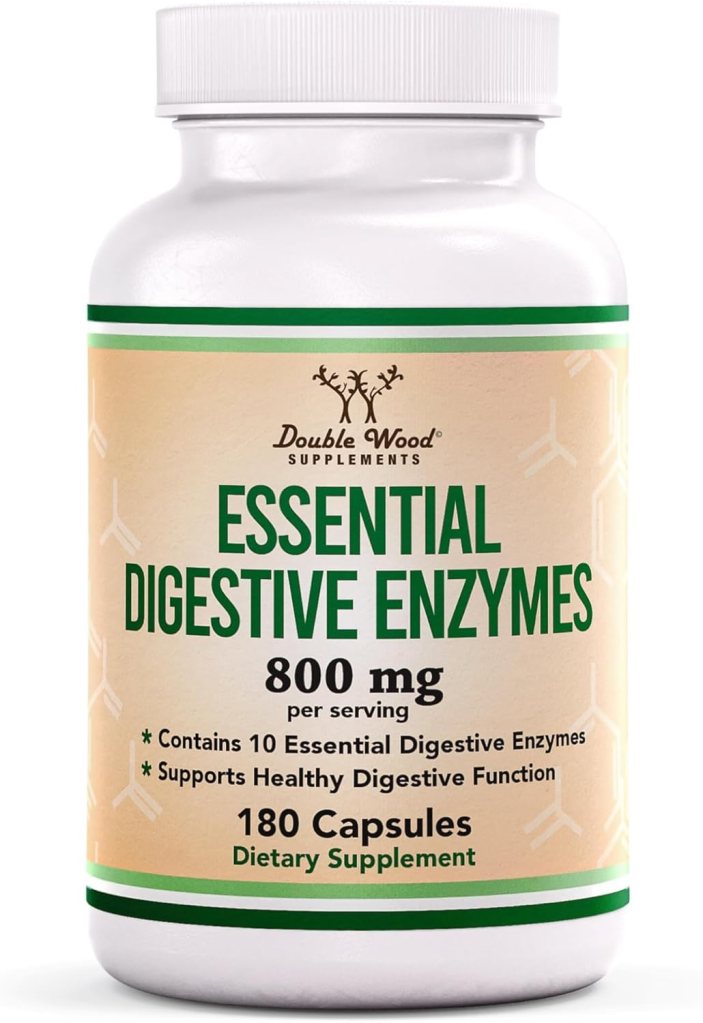
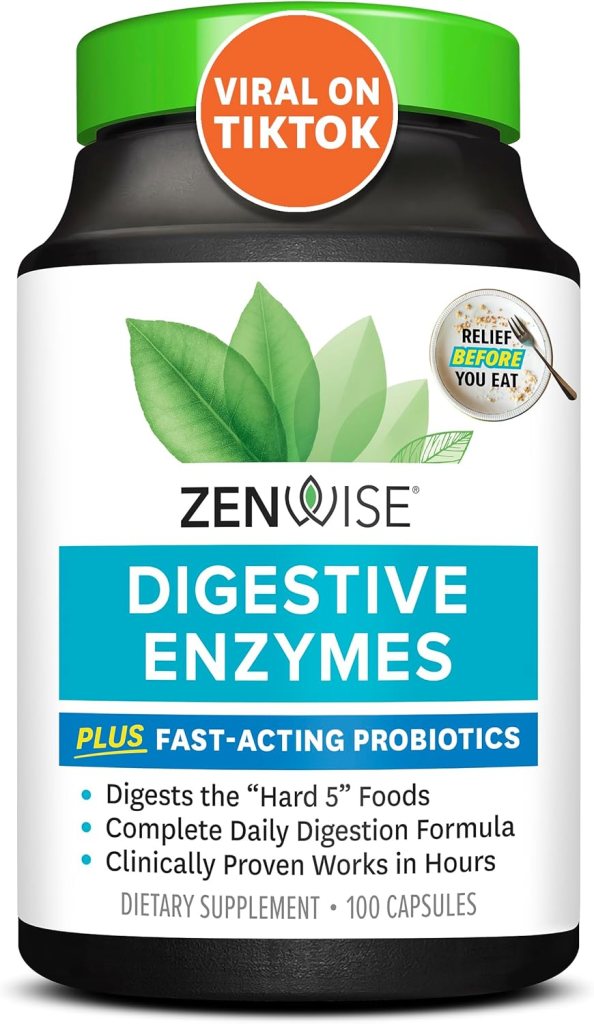
3. Digestive Enzymes: Aiding the Breakdown of Food
Digestive enzymes help break down the food you eat into nutrients your body can absorb. However, sometimes our body doesn’t produce enough enzymes, which can lead to issues like bloating, gas, and indigestion. Digestive enzyme supplements can help address these gaps by providing extra support in breaking down proteins, fats, and carbohydrates.
Common types of digestive enzyme supplements include amylase, lipase, and protease. These enzymes can aid in food digestion and help prevent discomfort, especially after a heavy meal. If you suffer from conditions like lactose intolerance or celiac disease, a digestive enzyme supplement may provide extra support.

4. Collagen: A Gut-Healing Protein
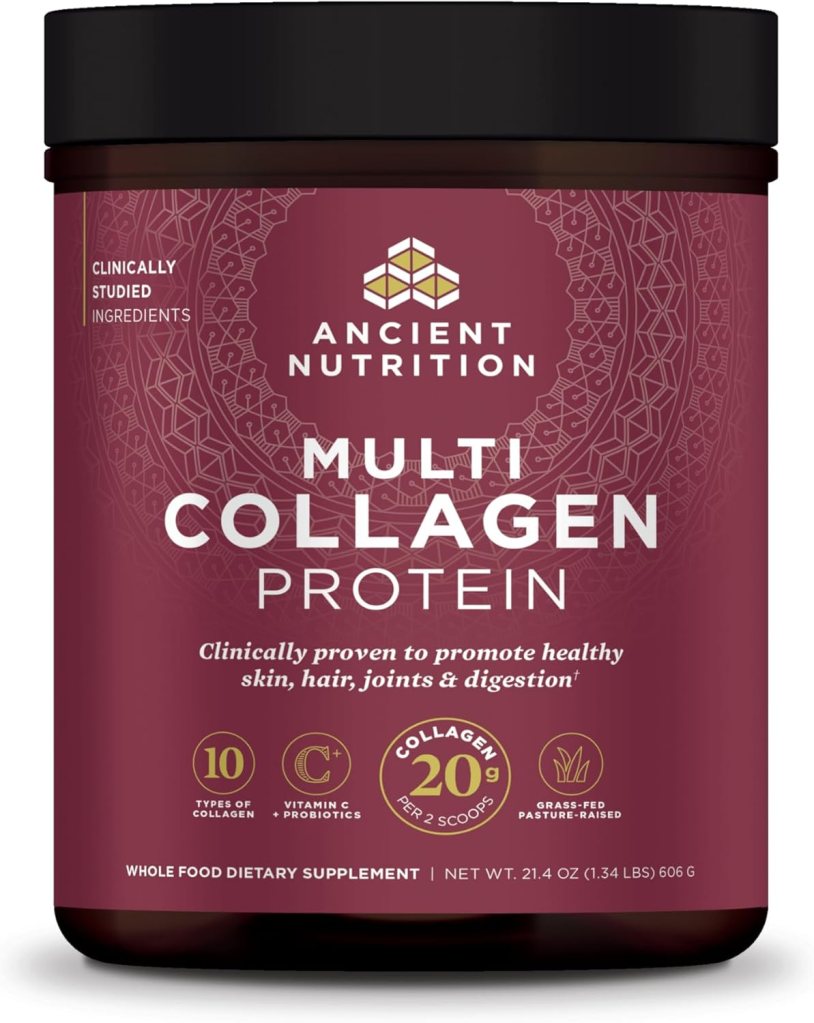
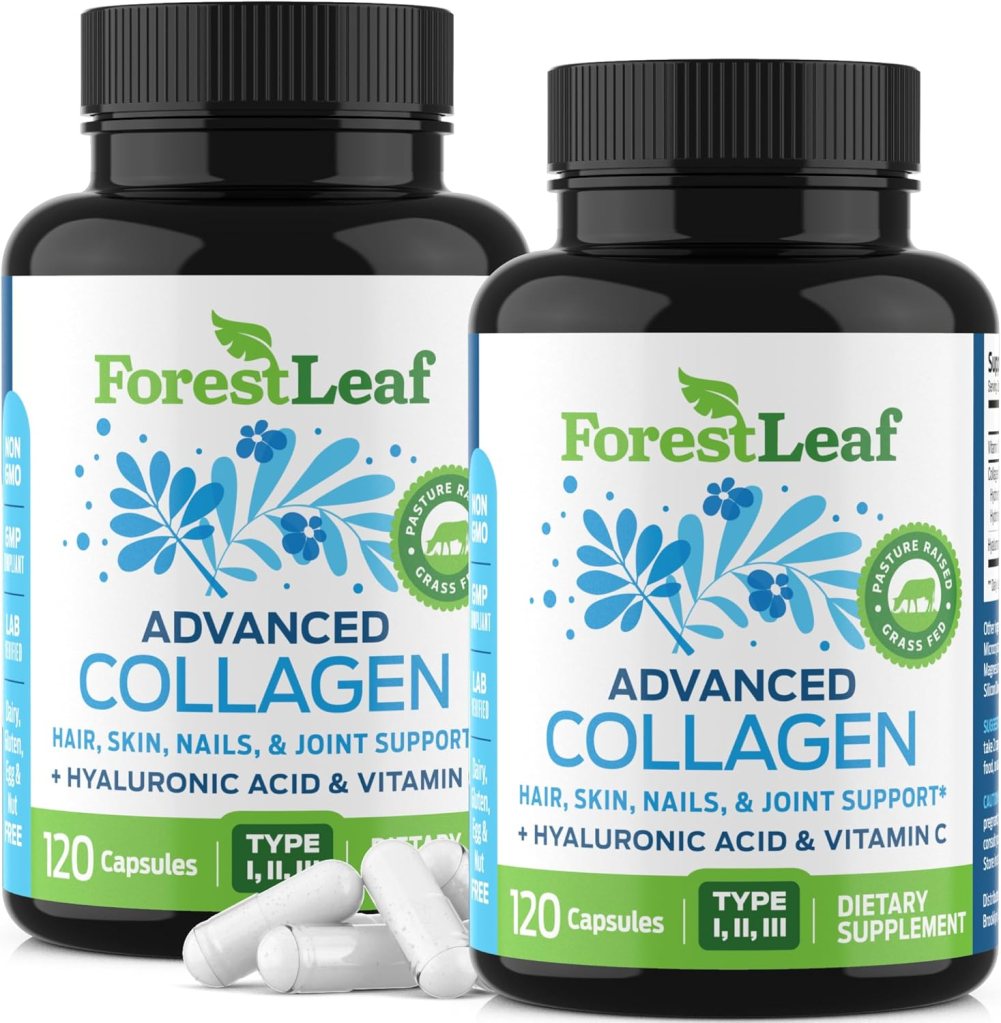
Collagen, a protein found in the body’s connective tissues, has recently gained popularity for its gut-healing properties. Collagen contains amino acids like glycine and proline, which are essential for repairing and maintaining the lining of your gut. This makes collagen supplements an excellent option for supporting the gut’s integrity, especially if you’re dealing with digestive issues like leaky gut or irritable bowel syndrome (IBS).
Adding collagen to your diet, either in supplement form or through collagen-rich foods like bone broth, may help reduce inflammation and strengthen the intestinal lining, allowing for better nutrient absorption.
Here is a list of recommended supplements but best to note that doing research for a product best for your body is best recommended.

5. L-Glutamine: Healing the Gut Wall
L-glutamine is an amino acid that plays a critical role in the health of the digestive tract. It is particularly important for healing and maintaining the gut lining. L-glutamine supplements may be especially beneficial for individuals dealing with digestive disorders like IBS, ulcerative colitis, or Crohn’s disease.
By supporting the gut’s epithelial cells (the cells lining the intestines), L-glutamine helps prevent the gut lining from becoming damaged and permeable. This can prevent toxins and harmful substances from entering the bloodstream, a condition known as leaky gut syndrome.
Here is a list of recommended supplements but best to note that doing research for a product best for your body is best recommended.


6. Fiber Supplements: Keeping Your Gut Moving
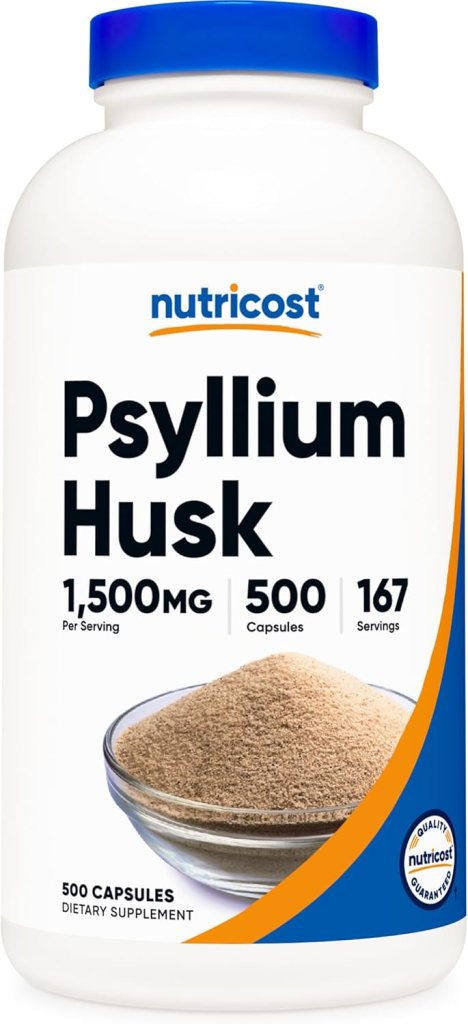
Fiber is essential for a healthy gut, as it promotes regular bowel movements, prevents constipation, and provides nourishment for beneficial gut bacteria. While dietary fiber is the best option, fiber supplements like psyllium husk or acacia fiber can help if you’re struggling to meet your daily fiber needs.
Taking fiber supplements can enhance digestion, regulate blood sugar levels, and improve overall gut function. If you’re prone to bloating or digestive discomfort, consider a gentle, soluble fiber supplement to add to your routine.
Here is a list of recommended supplements but best to note that doing research for a product best for your body is best recommended.



Choosing the Right Gut-Friendly Supplement
Polycystic Ovary Syndrome (PCOS) is a common hormonal condition that affects many women of reproductive age. While managing PCOS often involves lifestyle changes, diet modifications, and medical treatments, some supplements can be helpful in supporting hormonal balance and improving symptoms. Here is a list of popular supplements commonly used by women with PCOS:
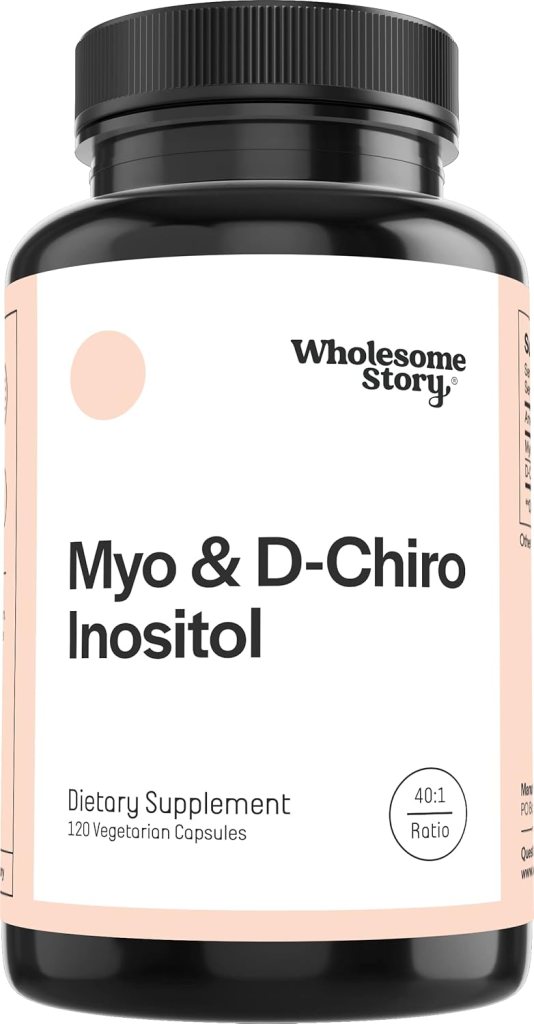
1. Inositol (Myo-Inositol and D-Chiro Inositol)
- Benefits: Inositol is a group of compounds that play a role in insulin sensitivity, hormone regulation, and ovarian function. Myo-inositol and D-chiro inositol are the two main forms used in treating PCOS, and studies show they can help improve ovulation, insulin resistance, and reduce symptoms like acne and excessive hair growth.
- How It Works: Myo-inositol is commonly recommended for improving insulin sensitivity, while D-chiro inositol is often used to support ovarian function and menstrual regularity.
Here is a list of recommended supplements but best to note that doing research for a product best for your body is best recommended.


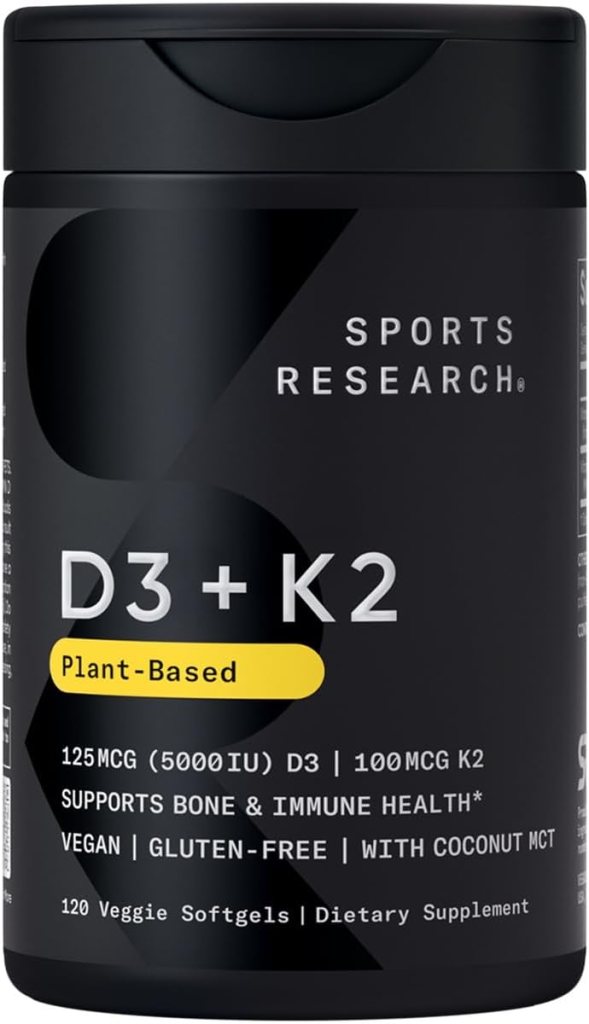
2. Vitamin D
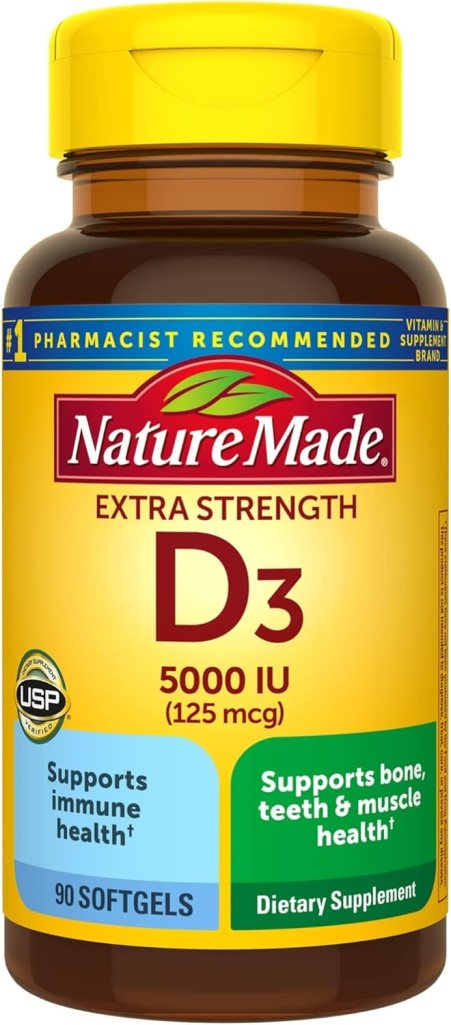
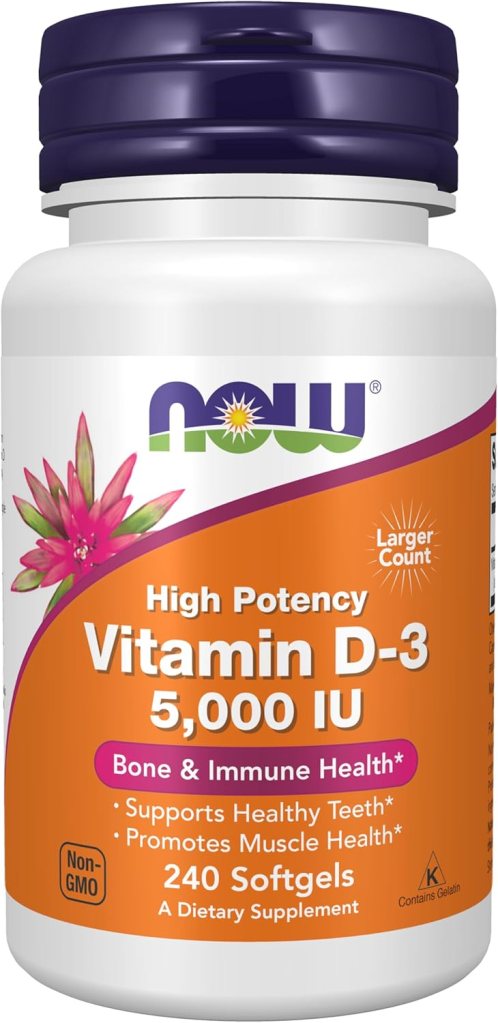
- Benefits: Vitamin D plays an important role in regulating insulin sensitivity and hormone production. Many women with PCOS are found to be deficient in vitamin D, which may contribute to infertility and other symptoms of PCOS.
- How It Works: Supplementing with vitamin D can help improve insulin resistance, promote healthy ovulation, and support overall reproductive health.
Here is a list of recommended supplements but best to note that doing research for a product best for your body is best recommended.

3. Omega-3 Fatty Acids (Fish Oil)
- Benefits: Omega-3 fatty acids are essential fats that have anti-inflammatory properties. They help regulate inflammation, which is often elevated in women with PCOS. Omega-3s can also improve insulin sensitivity and reduce the risk of cardiovascular disease, which women with PCOS are more prone to.
- How It Works: Omega-3s, especially EPA (eicosapentaenoic acid) and DHA (docosahexaenoic acid), can help reduce androgen levels (which are often elevated in PCOS), improve lipid profiles, and support hormone balance.
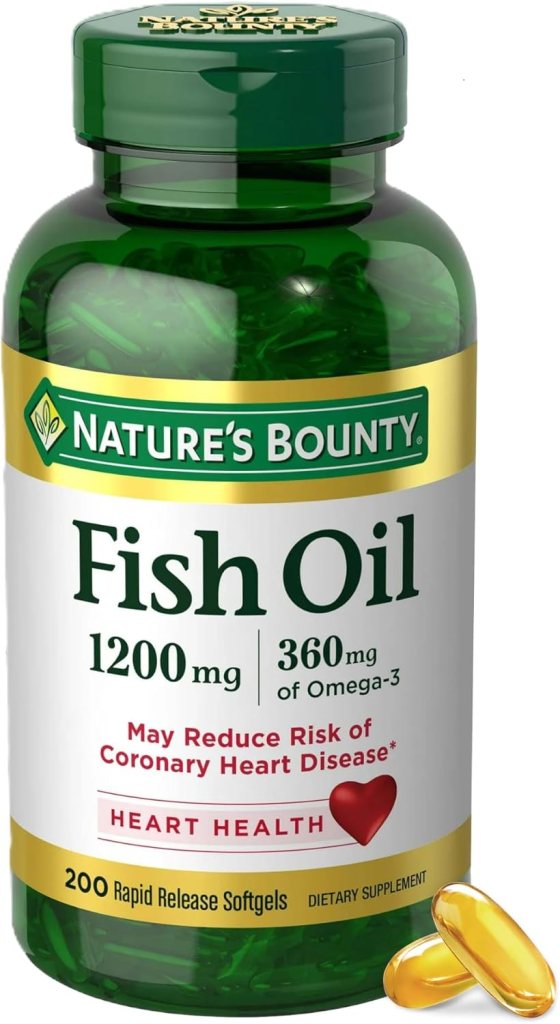
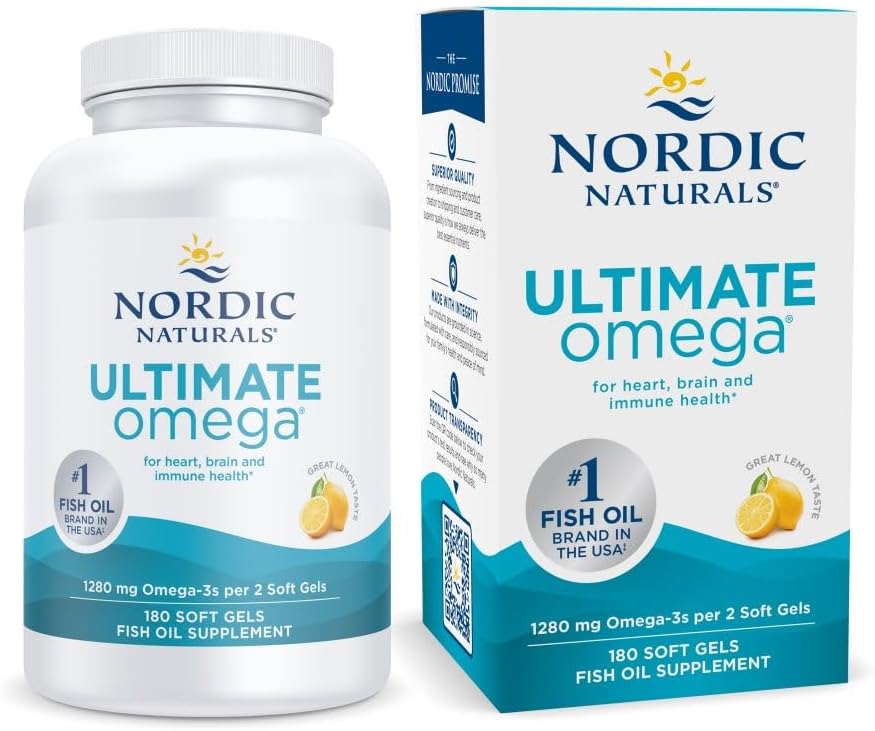
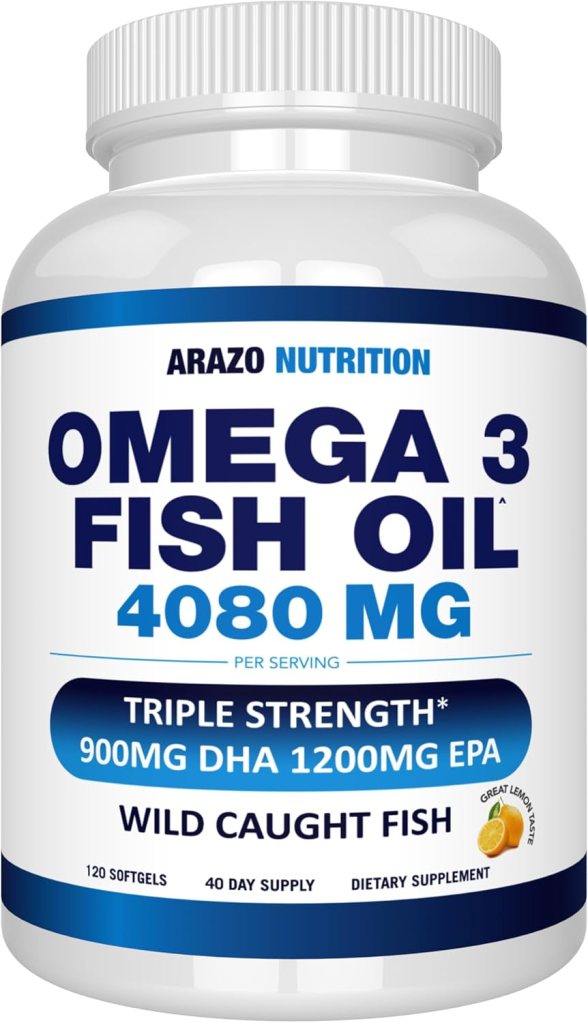
Here is a list of recommended supplements but best to note that doing research for a product best for your body is best recommended.

4. Chromium
- Benefits: Chromium is a mineral that helps improve insulin sensitivity. Since insulin resistance is a common issue for women with PCOS, chromium supplementation may help manage blood sugar levels and improve metabolic health.
- How It Works: Chromium enhances the action of insulin, helping regulate blood sugar levels and reduce cravings for sugar and carbohydrates.
Here is a list of recommended supplements but best to note that doing research for a product best for your body is best recommended.
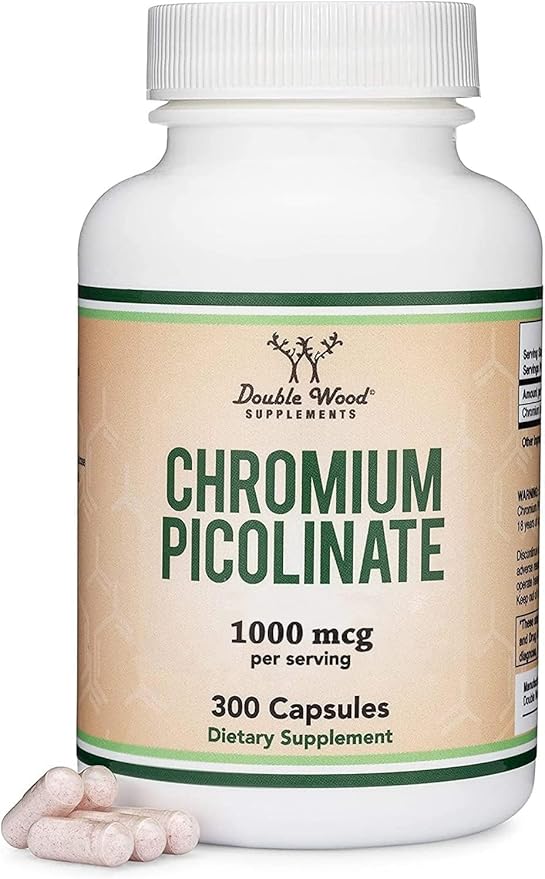

Nature’s Bounty Chromium Picolinate
5. Berberine
- Benefits: Berberine is a plant compound known for its ability to regulate blood sugar levels and improve insulin sensitivity. It’s commonly used as a natural alternative to metformin for managing insulin resistance in PCOS.
- How It Works: Berberine can help lower blood glucose levels, reduce insulin resistance, and improve lipid profiles, which are often disrupted in women with PCOS.
Here is a list of recommended supplements but best to note that doing research for a product best for your body is best recommended.


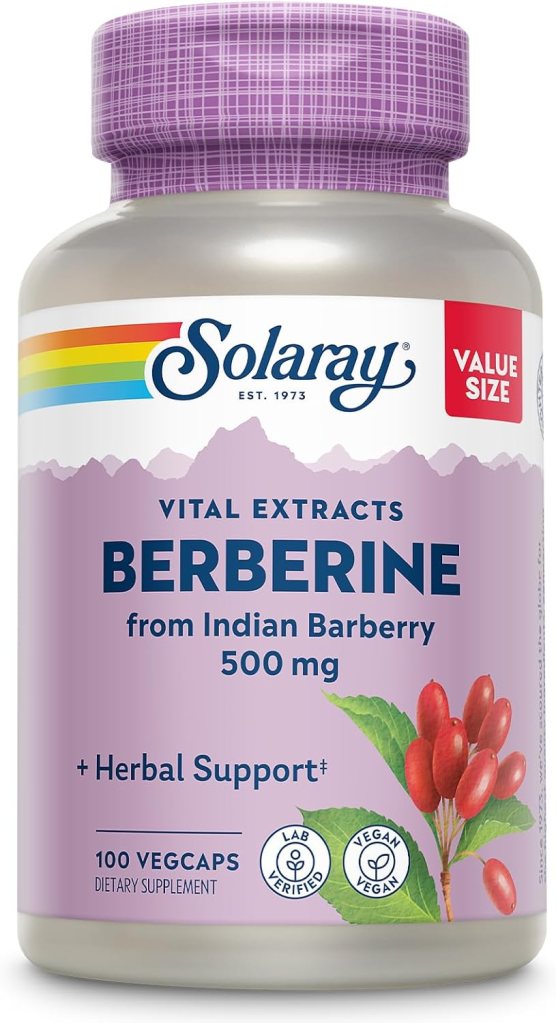
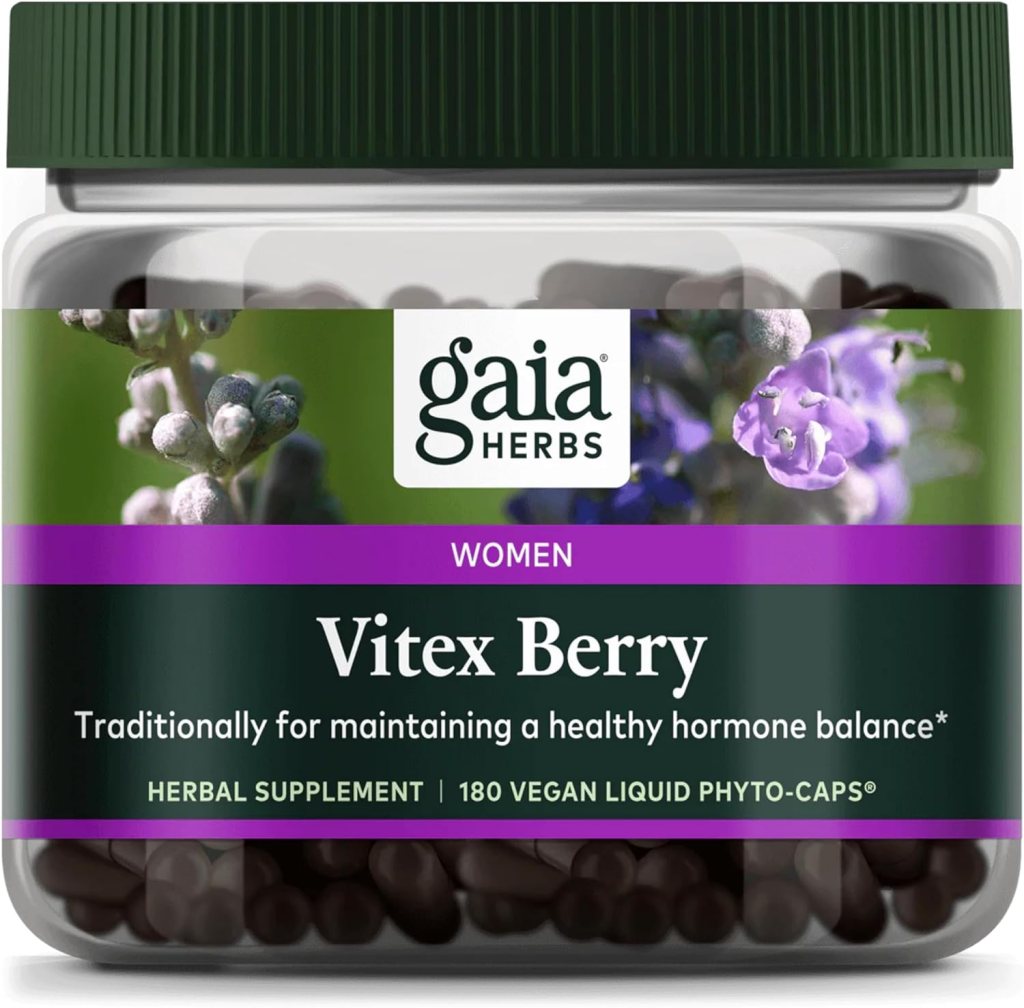
6. Vitex (Chaste Tree Berry)
- Benefits: Vitex is a herbal supplement that is often used to support hormonal balance, particularly in women with PCOS who are dealing with irregular periods and ovulation. It works by stimulating the pituitary gland to produce more luteinizing hormone (LH), helping to regulate menstrual cycles.
- How It Works: Vitex may help improve regularity of periods, reduce symptoms like acne and mood swings, and promote fertility in women with PCOS.
Here is a list of recommended supplements but best to note that doing research for a product best for your body is best recommended.

Gut-friendly supplements can play a valuable role in supporting your digestive health, especially when combined with a nutritious diet and a healthy lifestyle. From probiotics and prebiotics to digestive enzymes and collagen, there are many options to choose from. Remember, supplements are not a replacement for a balanced diet, but they can be an essential addition to help you maintain a healthy and happy gut. If you’re struggling with digestive issues, consult a healthcare professional to find the right supplement regimen for your unique needs. Your gut will thank you!

 EveryNBet Living