
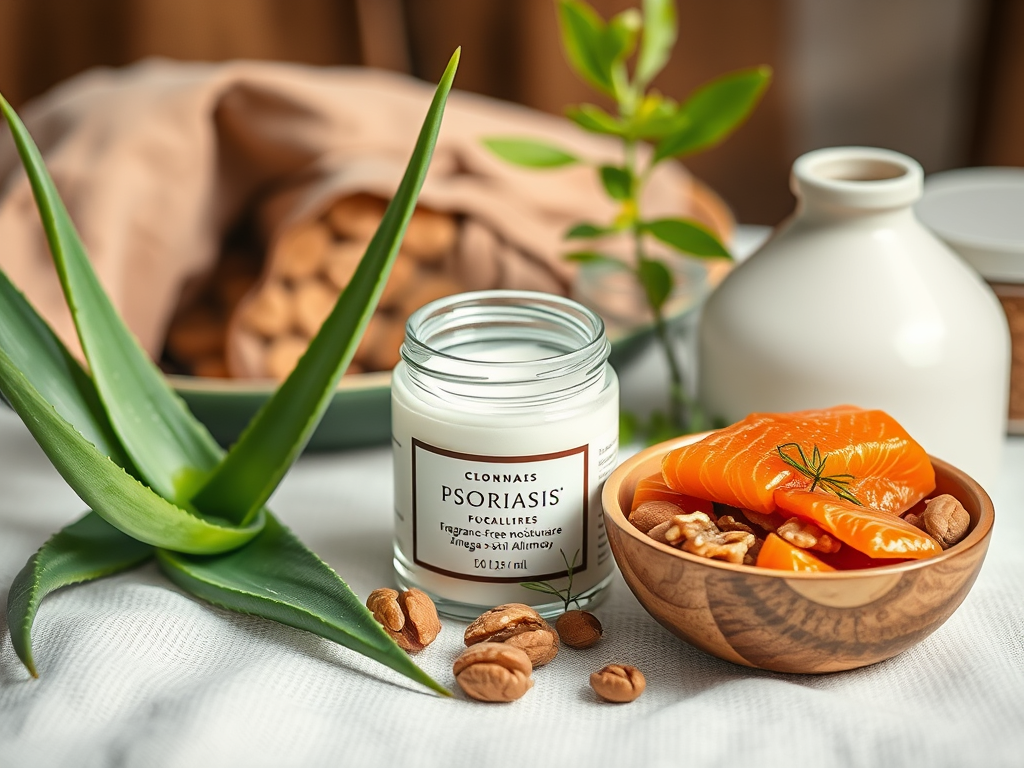
Psoriasis is a chronic autoimmune condition that causes the skin to become red, inflamed, and covered in silvery scales. While medical treatments are often necessary, many people with psoriasis also seek natural remedies to manage their symptoms and improve the overall health of their skin. The good news is that there are a variety of natural treatments that can help soothe flare-ups and support long-term relief.
In this blog, we’ll share 10 expert-approved tips for treating psoriasis naturally—from dietary adjustments to skincare routines and lifestyle changes. Whether you’re looking for a complementary treatment or just want to minimize flare-ups, these strategies could make a significant difference in managing your psoriasis symptoms.
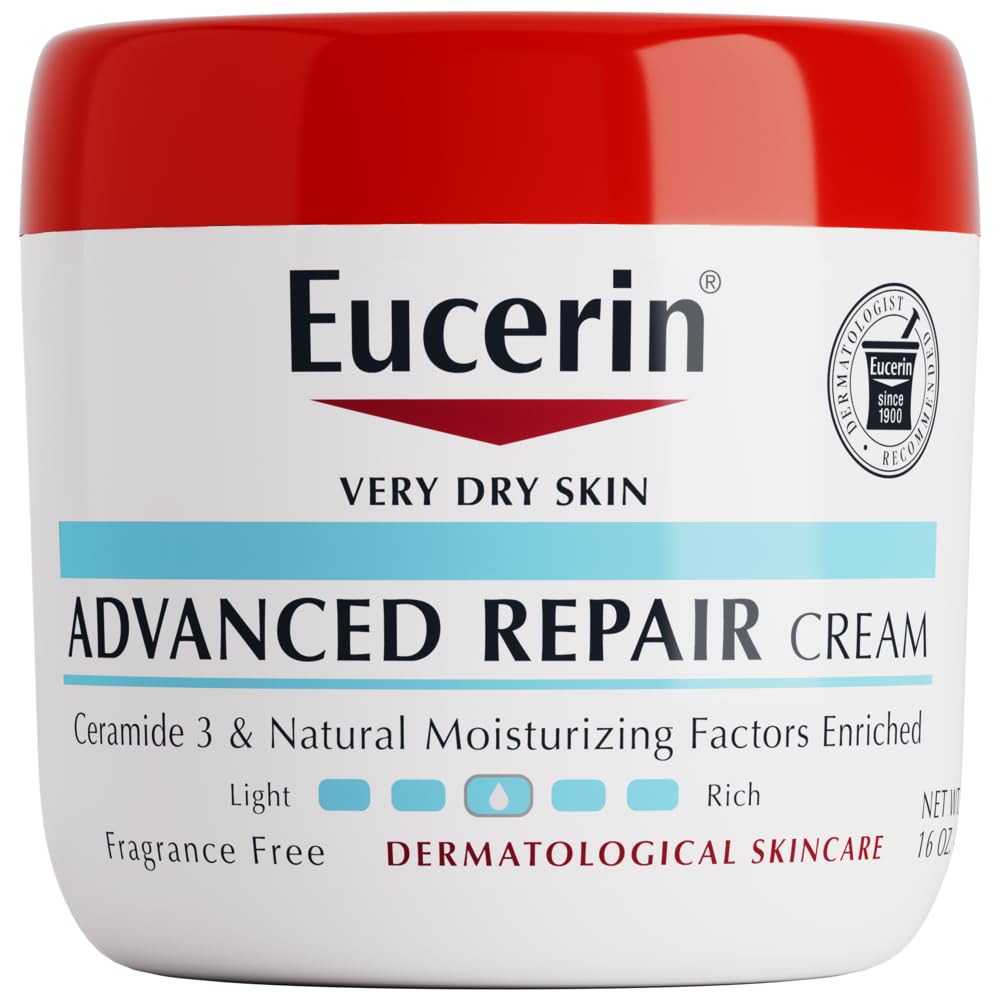
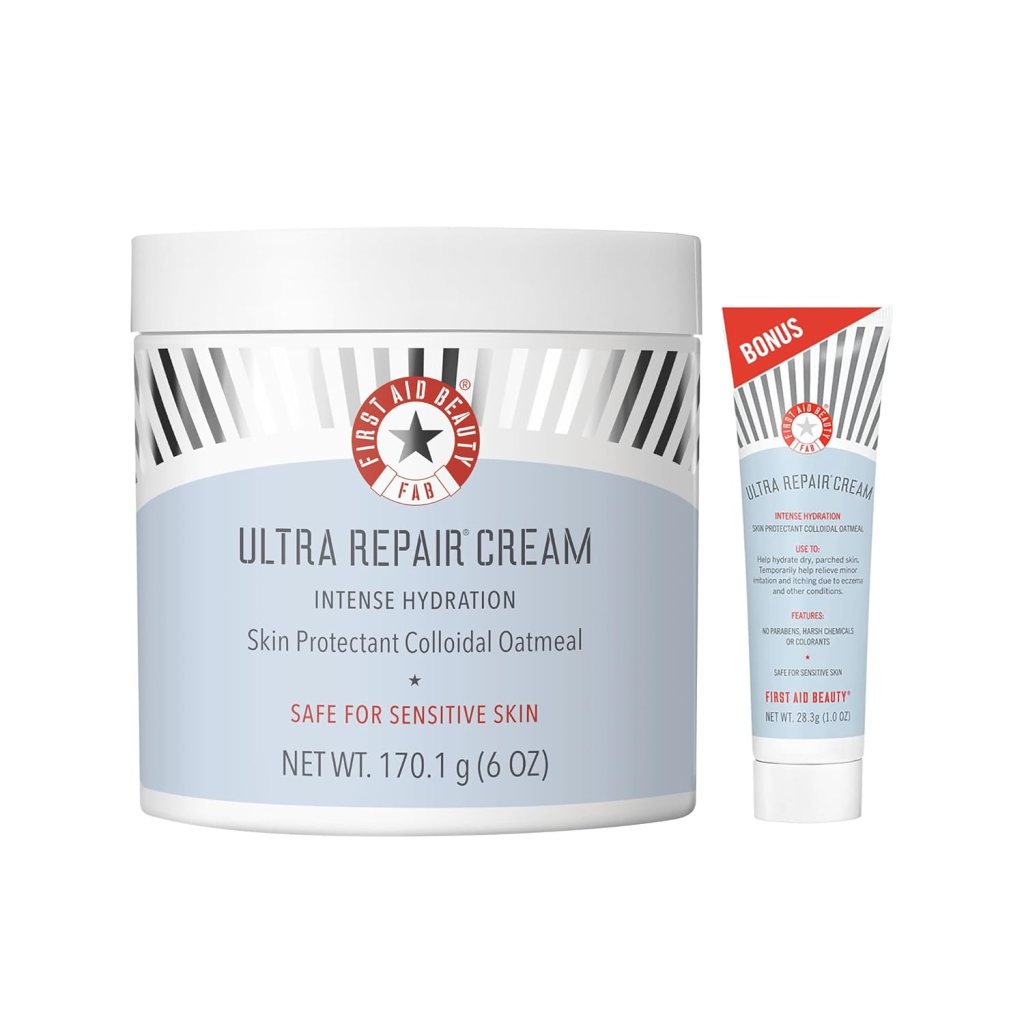
1. Moisturize Regularly to Relieve Dryness and Itching
One of the most common symptoms of psoriasis is dry, flaky skin. Moisturizing helps reduce dryness, soothe irritation, and prevent cracking.
Expert Tip:
Use a thick, fragrance-free moisturizer designed for sensitive skin. Products like Eucerin Advanced Repair Cream or CeraVe Healing Ointment can help lock in moisture without causing further irritation.


2. Consider Adding Omega-3 Fatty Acids to Your Diet
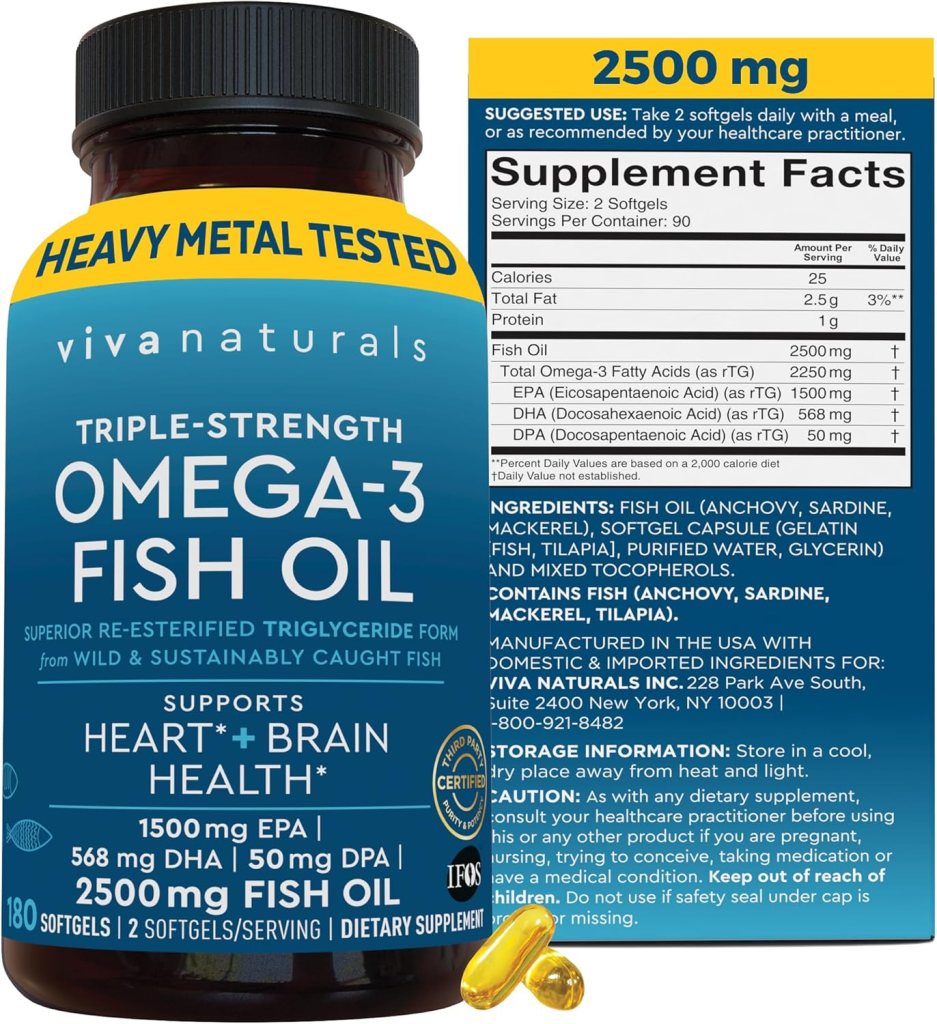
Omega-3 fatty acids have anti-inflammatory properties that can help reduce the severity of psoriasis symptoms by calming the immune system. Increasing your intake of omega-3-rich foods like salmon, walnuts, and flaxseeds can be beneficial.
Expert Tip:
If you struggle to get enough omega-3s from food, consider taking an omega-3 supplement such as Nordic Naturals Ultimate Omega to support overall skin health and reduce inflammation.


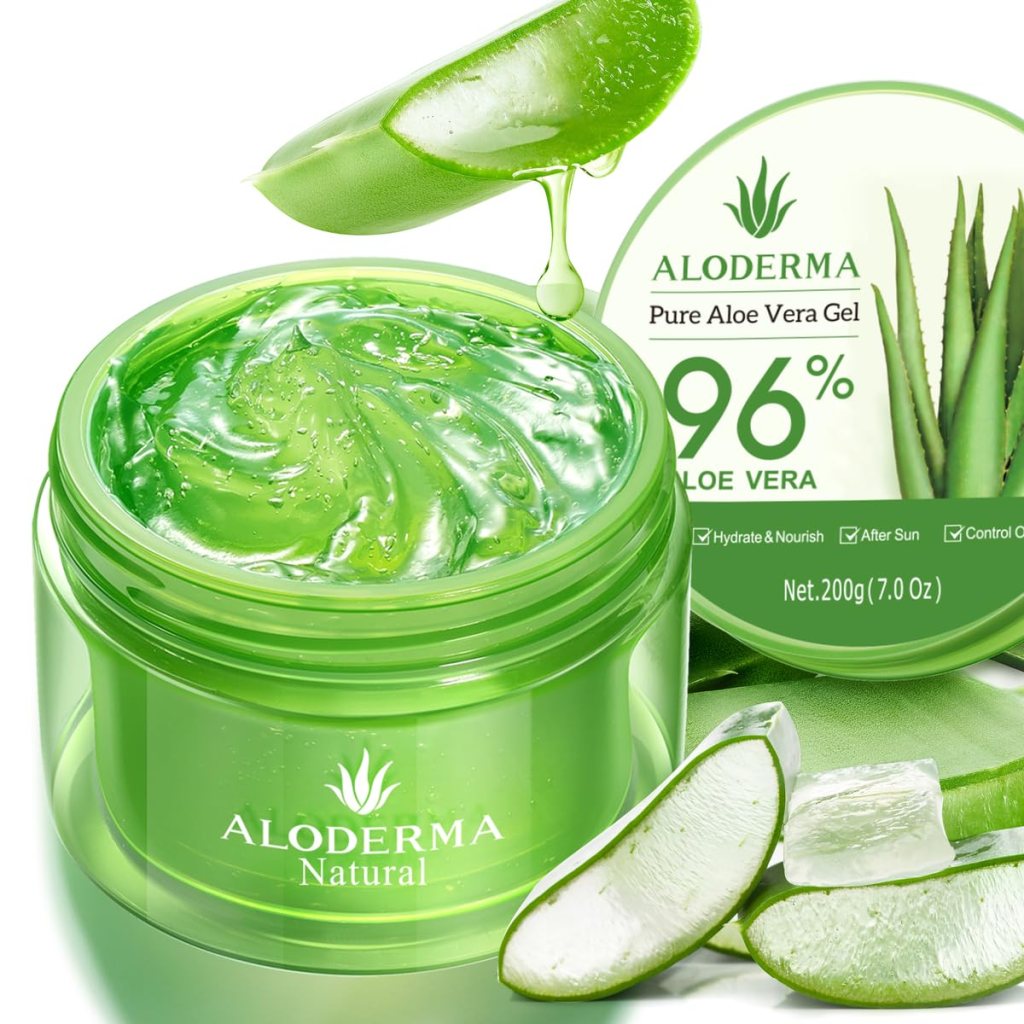
3. Incorporate Aloe Vera Gel for Soothing Relief
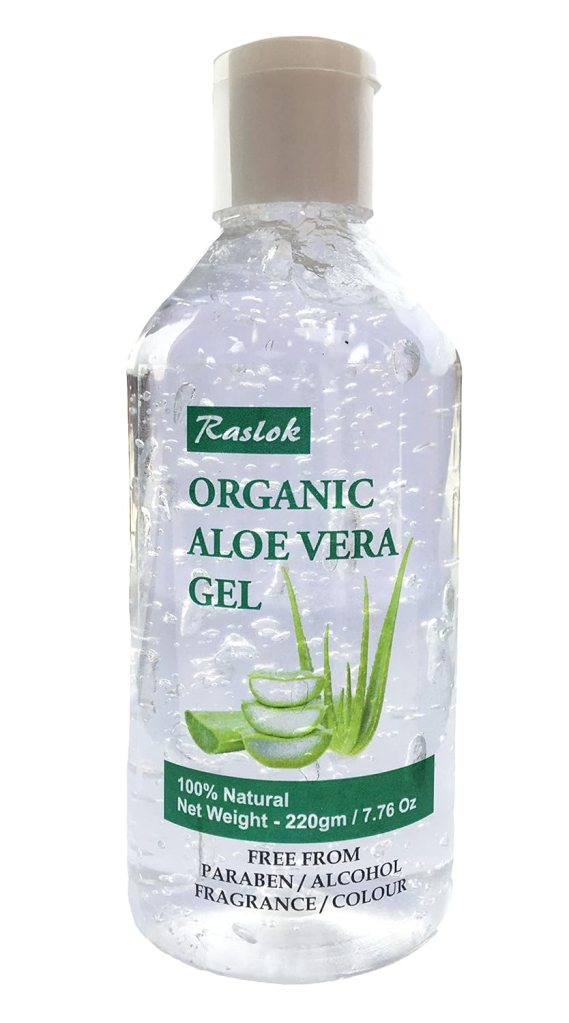
Aloe vera is a well-known natural remedy for soothing irritated skin. It can reduce redness, cool the skin, and relieve itching.
Expert Tip:
Look for pure aloe vera gel or creams with at least 95% aloe content, like Amara Organics Aloe Vera Gel, to maximize its healing effects. Apply it directly to affected areas for quick relief.

4. Try Apple Cider Vinegar for Itching Relief
Apple cider vinegar (ACV) is often used to treat itching and scaling. Its acidity can help balance the skin’s pH and ease irritation caused by psoriasis flare-ups.
Expert Tip:
Dilute ACV with water (1:1 ratio) and apply it to your skin using a cotton ball. Avoid using ACV on cracked or open skin, as it may sting. Bragg Organic Apple Cider Vinegar is a great option to start with.

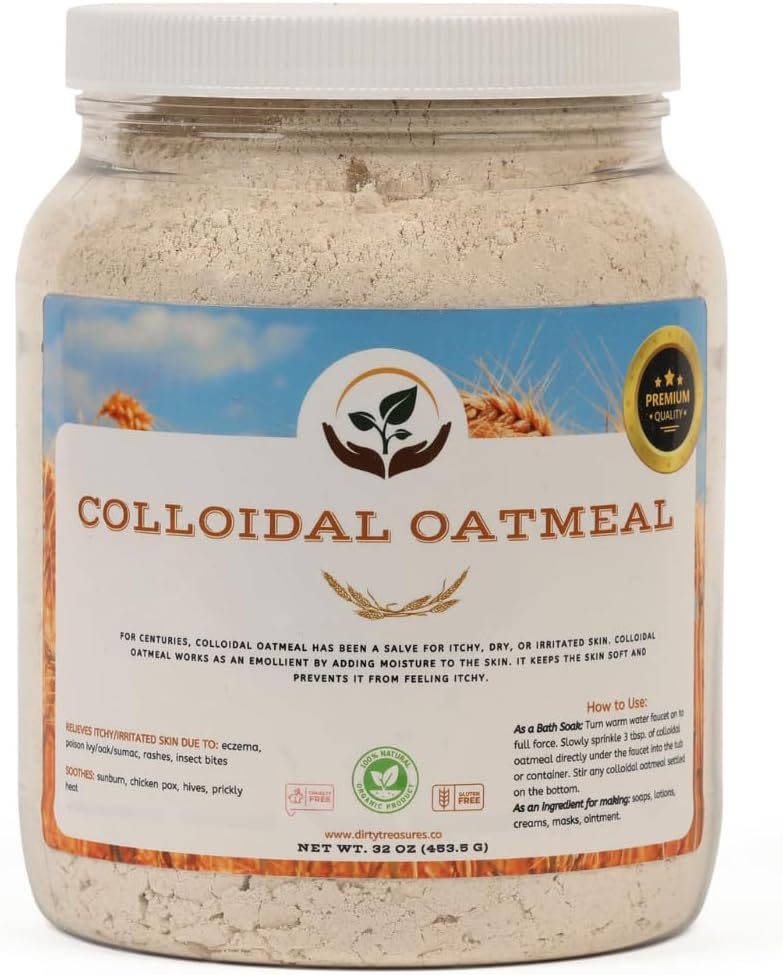
5. Take Regular Oatmeal Baths to Soothe Skin
Soaking in an oatmeal bath can be incredibly soothing for itchy, irritated skin. Oatmeal helps lock in moisture and has anti-inflammatory properties that can ease the discomfort of psoriasis flare-ups.
Expert Tip:
Use colloidal oatmeal (finely ground oatmeal), which is specifically formulated for skin relief. You can try Aveeno Soothing Bath Treatment for an easy, relaxing soak.

6. Manage Stress with Meditation and Relaxation Techniques
Stress is a known trigger for psoriasis flare-ups, so managing your stress levels can be a critical part of treatment. Meditation, mindfulness, and relaxation exercises can help reduce the emotional triggers that cause flare-ups.
Expert Tip:
Consider using a guided meditation app like Calm or Headspace to help you de-stress daily. Even just 10 minutes of mindfulness can help reduce flare-up frequency.
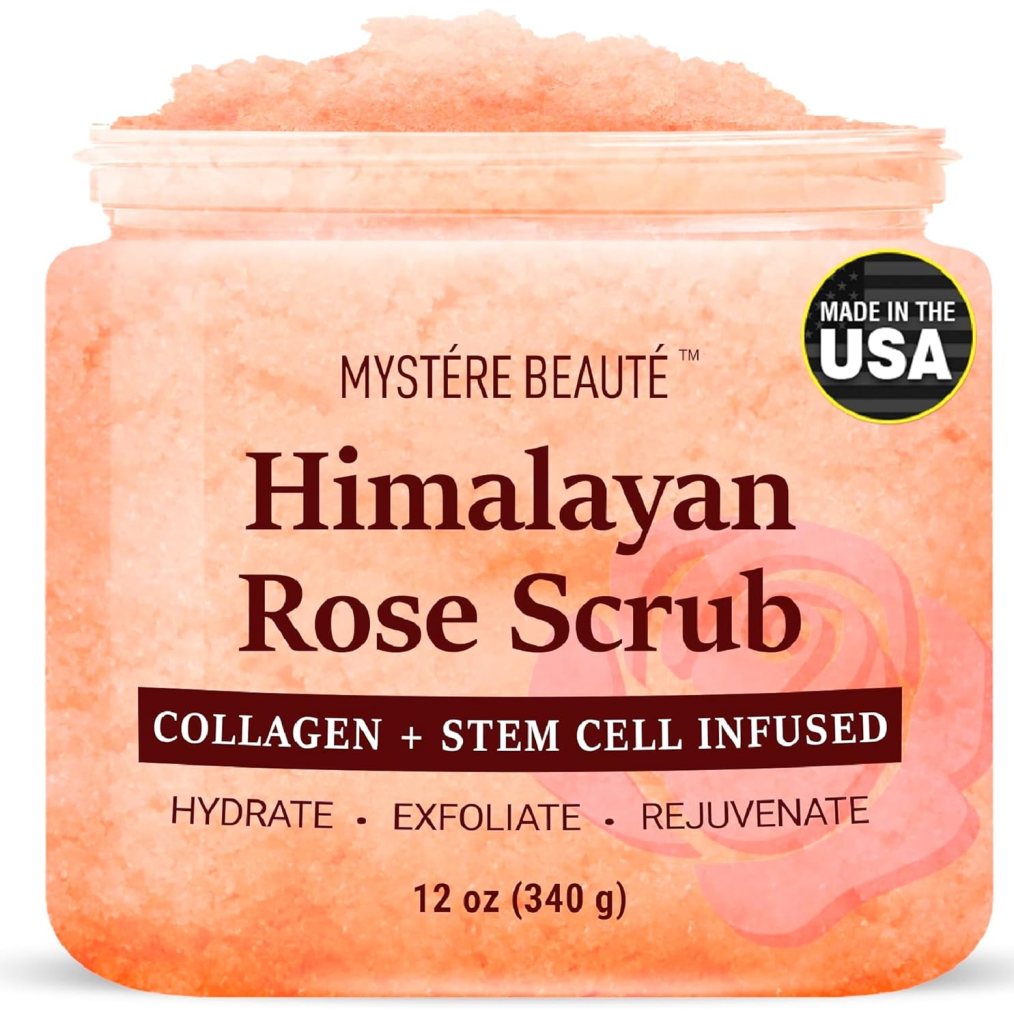
7. Use Dead Sea Salt for Skin Exfoliation and Healing
The minerals found in Dead Sea salt are known for their healing properties, especially for skin conditions like psoriasis. Regular use of Dead Sea salt in a bath can help exfoliate dead skin cells and calm inflammation.
Expert Tip:
Add Dead Sea salt to your bathwater or use a body scrub containing Dead Sea minerals like Premier Dead Sea Exfoliating Scrub to gently exfoliate and promote skin healing.


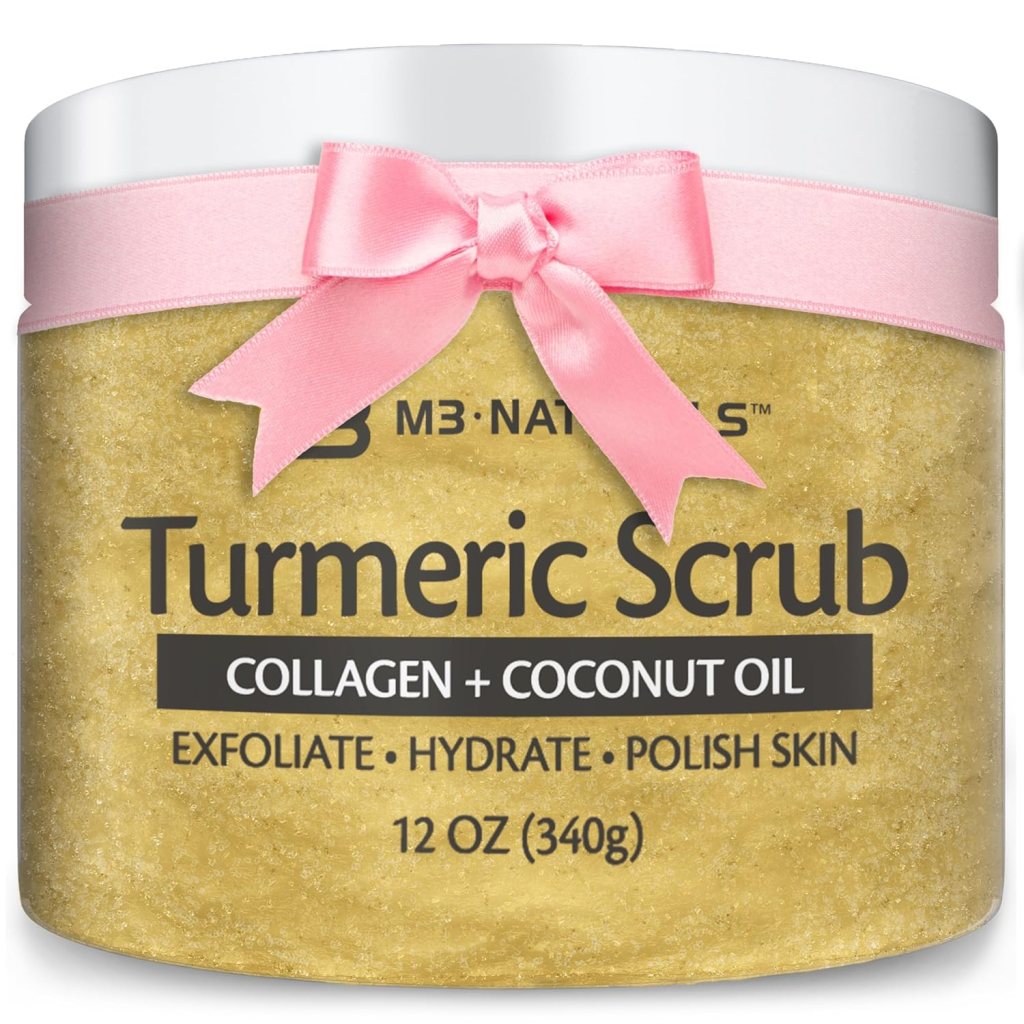
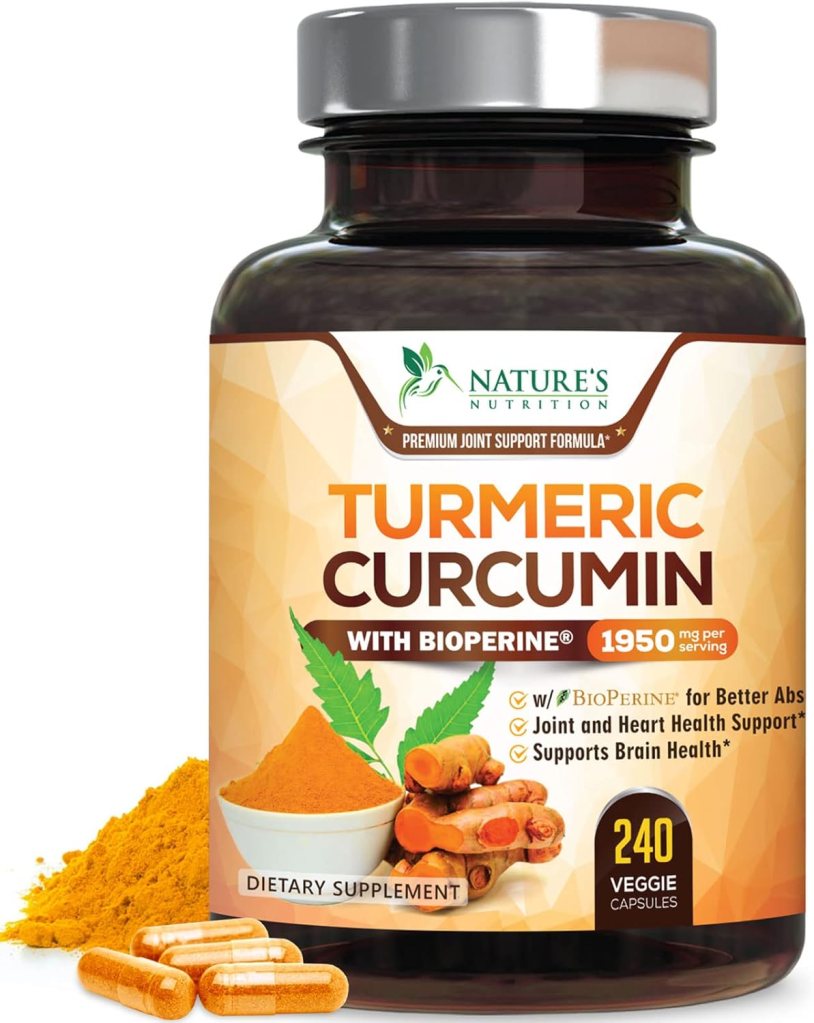
8. Try Turmeric for Its Anti-Inflammatory Benefits
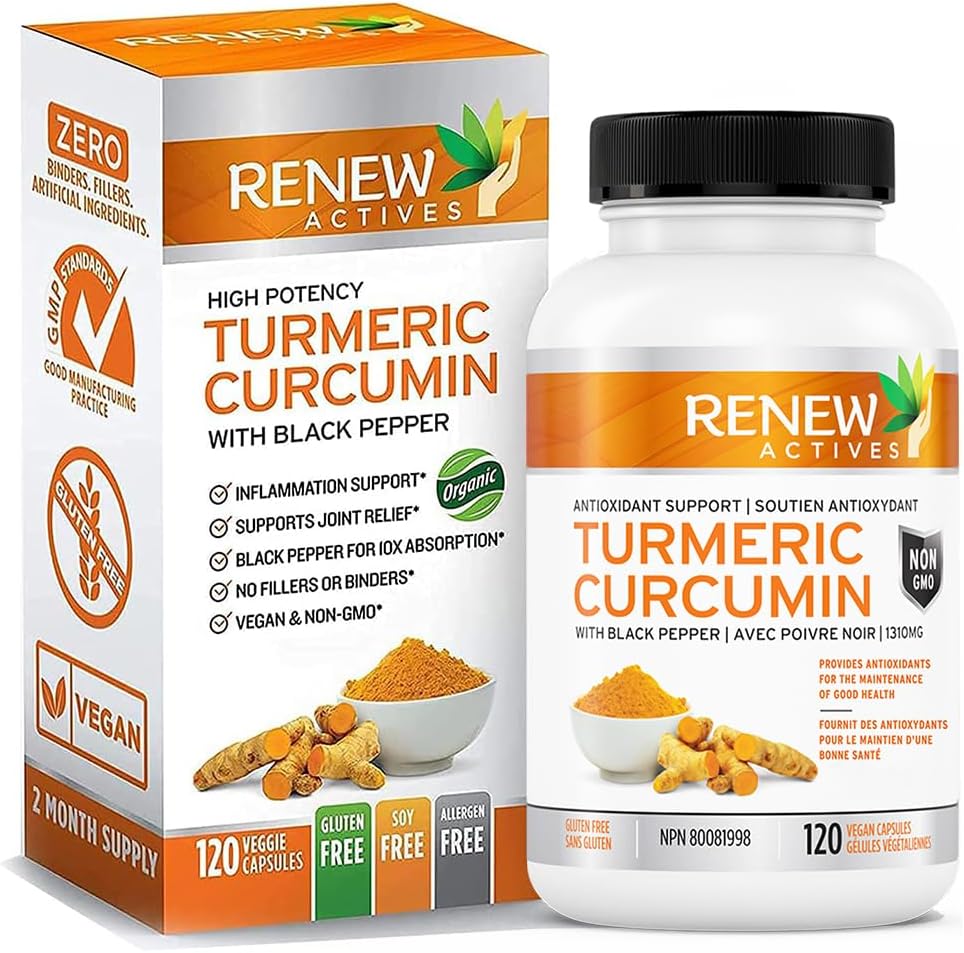
Turmeric is a powerful anti-inflammatory herb that has been used for centuries in traditional medicine. It can help reduce inflammation both when applied topically and when consumed as a supplement.
Expert Tip:
You can apply turmeric paste directly to psoriasis patches, or take a turmeric supplement like Curcumin C3 Complex to benefit from its internal anti-inflammatory effects.

9. Practice Sun Exposure in Moderation
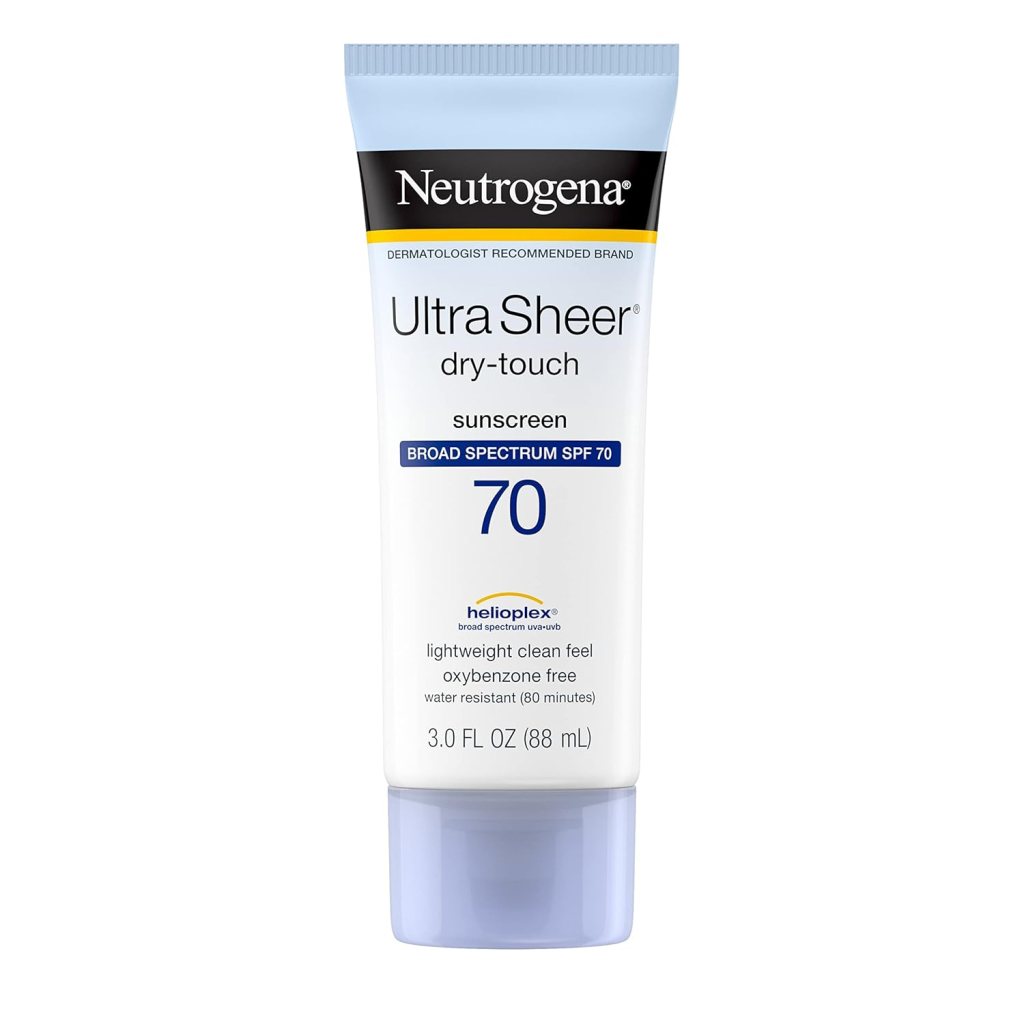
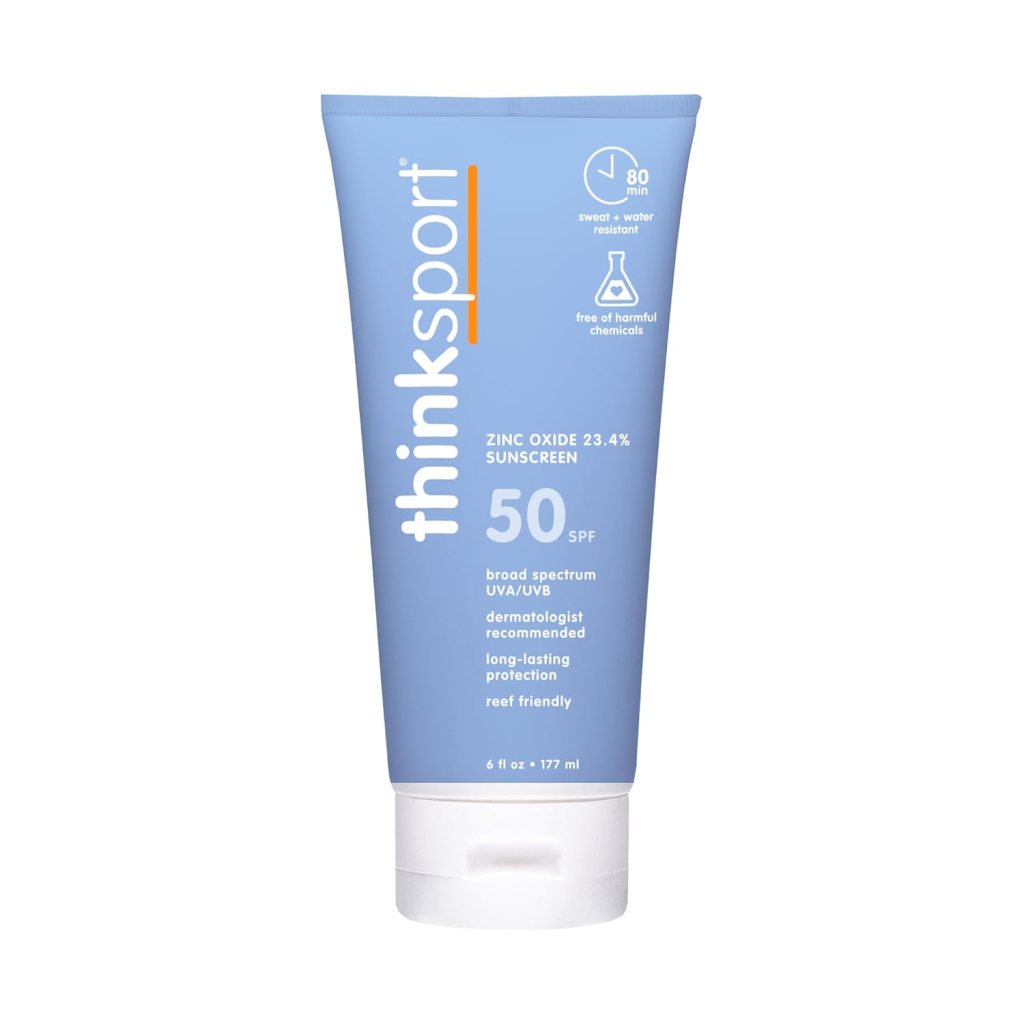
Moderate sun exposure has been shown to improve psoriasis symptoms by helping to slow down the rapid growth of skin cells that contribute to the condition. However, too much sun can worsen psoriasis or increase the risk of skin cancer, so it’s important to be mindful.
Expert Tip:
Aim for about 10–15 minutes of sun exposure per day, depending on your skin type. Always protect your skin with SPF after short sun sessions. For a sunscreen that’s gentle on sensitive skin, try EltaMD UV Clear Broad-Spectrum SPF 46.

10. Maintain a Healthy Diet with Anti-Inflammatory Foods
A diet rich in anti-inflammatory foods can help manage psoriasis symptoms. Focus on whole foods, including fruits, vegetables, nuts, and seeds, to help support your skin from the inside out.
Expert Tip:
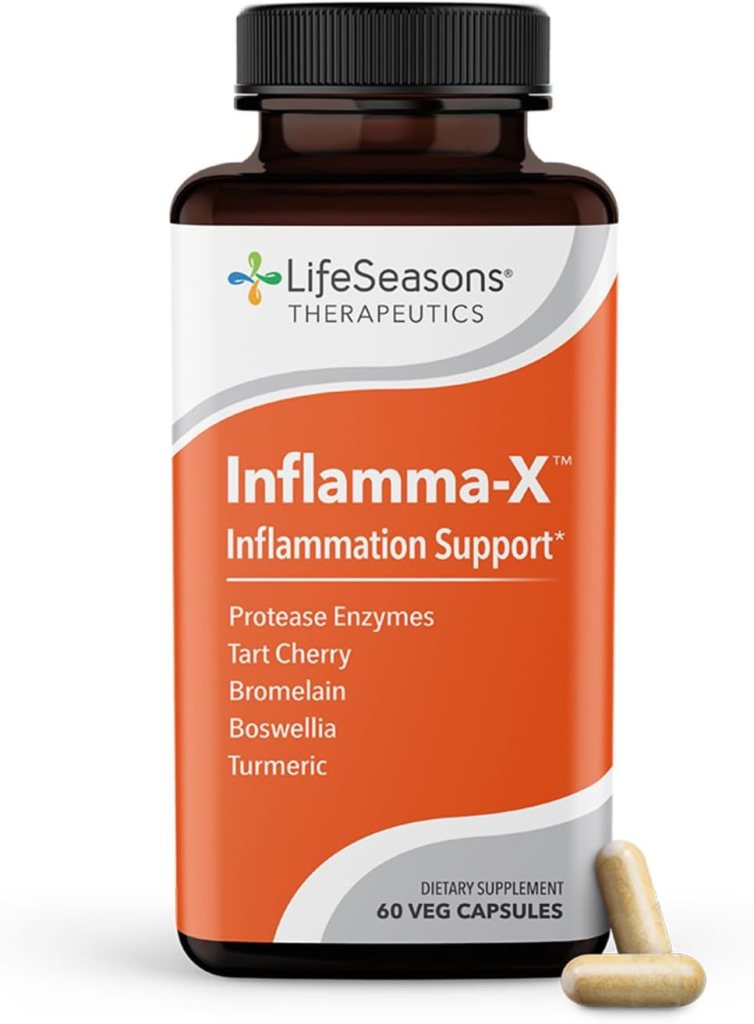
Incorporate foods that are high in antioxidants and vitamins, like berries, spinach, and sweet potatoes, to promote overall skin health. For extra support, try adding an anti-inflammatory supplement like Garden of Life Turmeric Supplement to your daily routine.

While there is no cure for psoriasis, using natural remedies alongside traditional treatments can provide significant relief and improve your skin’s overall health. From dietary changes to soothing skincare routines, the tips listed above can help manage flare-ups and reduce discomfort.
By making these simple adjustments to your lifestyle and routine, you can experience healthier skin and greater relief from the symptoms of psoriasis. Be sure to consult with your dermatologist before trying new treatments, especially if you’re considering supplement use or new topical products.

 EveryNBet Living