

If you’ve been exploring ways to improve your health, lose weight, or boost your energy, you’ve likely come across intermittent fasting (IF). It’s one of the most talked-about methods for achieving lasting health benefits—and for good reason. Unlike traditional diets that focus on what you eat, intermittent fasting focuses on when you eat, offering a flexible approach that can fit into just about any lifestyle.
In this Intermittent Fasting 101 guide, we’ll break down the basics, help you get started, and give you practical tips to see real, lasting results. Whether you’re a complete beginner or have tried fasting before with little success, this guide will walk you through every step to ensure you feel confident and motivated on your journey to better health.
What is Intermittent Fasting?
Intermittent fasting is an eating pattern where you cycle between periods of eating and fasting. It doesn’t prescribe specific foods but instead focuses on timing your meals. By limiting your eating window, intermittent fasting allows your body to burn fat more efficiently and promotes other health benefits like improved metabolism, better blood sugar control, and enhanced mental clarity.
How Does Intermittent Fasting Work?
At the core of intermittent fasting is the idea that your body needs time to rest from digestion, allowing it to tap into fat stores for energy. During fasting periods, insulin levels drop, which helps your body burn fat more easily. Your cells also repair themselves and perform essential maintenance tasks. While fasting, you can still drink non-caloric beverages like water, coffee, or tea, which can help curb hunger.
Popular Intermittent Fasting Methods
There isn’t a one-size-fits-all approach to intermittent fasting, so it’s important to choose a method that fits your lifestyle. Here are a few popular methods:
- 16/8 Method (Leangains Protocol): Fast for 16 hours and eat within an 8-hour window. A typical pattern would be skipping breakfast and eating from noon to 8 p.m.
- 5:2 Diet: Eat normally for five days a week and restrict calories to about 500–600 for two non-consecutive days.
- Eat-Stop-Eat: This method involves fasting for 24 hours once or twice a week. For example, you might fast from dinner one day to dinner the next.
- Alternate-Day Fasting: Alternate between fasting days (where you eat very little) and regular eating days.
- The Warrior Diet: Fast for 20 hours, then eat one large meal in the evening.
How to Get Started with Intermittent Fasting
Getting started with intermittent fasting doesn’t have to be complicated. Here’s a simple step-by-step approach:
Step 1: Choose Your Fasting Method
Start by selecting a fasting method that feels sustainable for you. If you’re new to fasting, it might be best to start with the 16/8 method, which is the easiest to incorporate into most daily routines.
Step 2: Adjust Your Eating Schedule Gradually
If you’re used to eating three meals a day, jumping straight into an 8-hour eating window might feel challenging. Instead, try gradually reducing your eating window by 1-2 hours each day. This helps your body adjust to the fasting schedule without feeling overwhelmed.
Step 3: Plan Your Meals
During your eating window, make sure your meals are balanced and nutrient-dense. Focus on whole foods like lean proteins, healthy fats, vegetables, fruits, and complex carbohydrates to keep your body nourished and energized.
Step 4: Stay Hydrated
Drink plenty of water throughout the day, even during fasting periods. Staying hydrated is crucial for reducing hunger and improving overall well-being. You can also enjoy unsweetened tea or black coffee to help curb your appetite during fasting hours.
Step 5: Listen to Your Body
It’s important to listen to your body during the first few days of fasting. If you feel faint or overly fatigued, it might be a sign that you need to ease into the process or reconsider the fasting method you’re following. Remember that intermittent fasting should feel manageable, not overwhelming.
Common Challenges and How to Overcome Them
While intermittent fasting is effective, it’s not always easy in the beginning. Here are a few common challenges and how to deal with them:
- Hunger: It’s natural to feel hungry when you first start fasting. Stay hydrated, drink herbal teas, or try a black coffee to curb cravings. The hunger pangs will diminish as your body adapts.
- Low Energy: During the initial phase of fasting, you may feel more tired than usual. This will pass as your body becomes more accustomed to fasting and starts burning fat for fuel.
- Social Situations: If you’re fasting during social events, plan ahead by choosing an eating window that allows you to participate in meals or bring your own food to gatherings.
The Benefits You Can Expect from Intermittent Fasting
As you begin your intermittent fasting journey, here are some of the most common benefits you can expect to see:
- Weight Loss: Fasting helps you burn fat by allowing your body to use fat stores for energy during fasting periods.
- Improved Mental Clarity: Many people report feeling more focused and alert during fasting due to stabilized blood sugar levels.
- Better Metabolism: Intermittent fasting can improve your insulin sensitivity and metabolic function, helping regulate blood sugar and lower your risk for type 2 diabetes.
- Increased Energy: Once your body adapts, you may feel a natural boost in energy levels.
- Cellular Repair and Anti-Aging: During fasting periods, your body initiates processes like autophagy, where old or damaged cells are cleared away, helping your body stay healthier for longer.
Tips for Success
- Start slow: If you’re new to fasting, start with shorter fasting periods and gradually increase the duration as you feel comfortable.
- Prioritize sleep: Fasting can affect your sleep, so make sure you’re getting enough rest to help your body recover.
- Avoid overeating during eating windows: Fasting isn’t an excuse to eat unhealthy foods or overeat. Stick to whole, nutritious foods to get the best results.
Intermittent fasting is a flexible and effective way to boost your health, lose weight, and feel more energized. By following the steps outlined in this guide, you can confidently begin your intermittent fasting journey and unlock the many benefits it has to offer. Remember to listen to your body and make adjustments as needed—your health transformation starts with just one step!
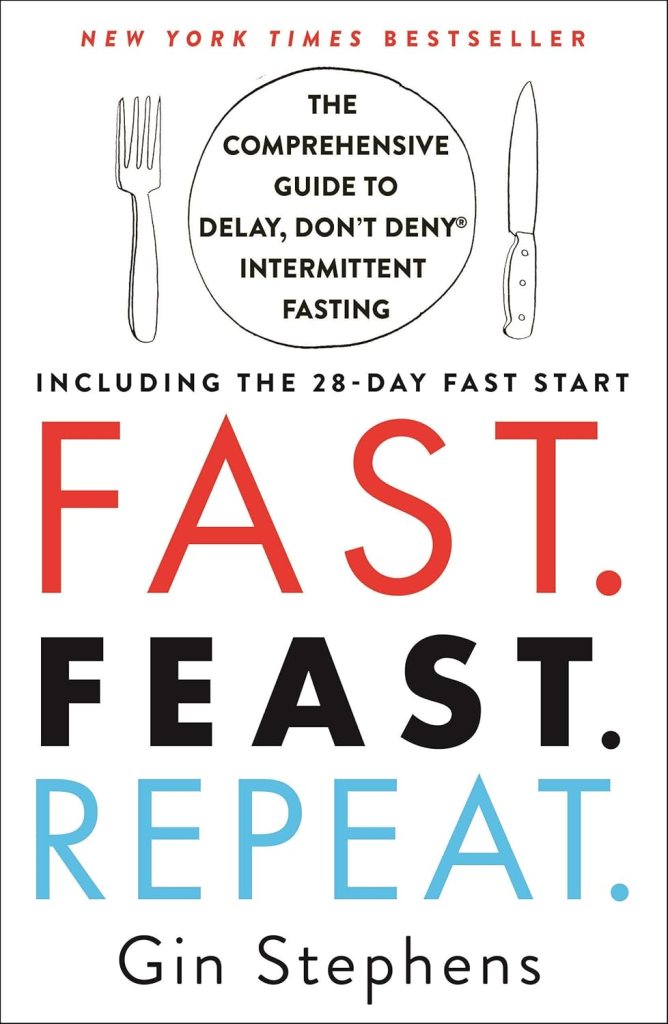
For more information about Intermittent Fasting, here’s a list of books for a complete guide to Intermittent Fasting:



 EveryNBet Living