

Living with Polycystic Ovary Syndrome (PCOS) can feel like an overwhelming challenge. From hormonal imbalances to irregular periods, and sometimes even struggles with fertility, the symptoms can take a toll on both your physical and mental well-being. However, the good news is that with the right knowledge, lifestyle changes, and support, it is entirely possible to thrive with PCOS, rather than simply survive it. This guide is here to empower you to take control of your health and find balance in managing PCOS in a way that works for your body and life. Let’s explore effective strategies to help you navigate the ups and downs, and most importantly, thrive.
What is PCOS? Understanding the Basics
PCOS, or Polycystic Ovary Syndrome, is a hormonal disorder that affects approximately 1 in 10 women of reproductive age. It occurs when a woman’s ovaries produce higher-than-normal levels of male hormones (androgens), which can lead to symptoms like irregular periods, excessive hair growth, acne, and difficulties with fertility.
The name “polycystic” refers to the many small cysts that often form on the ovaries of women with PCOS. While these cysts are not dangerous, they can be a sign of hormonal imbalance, which affects overall reproductive health.
The Symptoms of PCOS
PCOS symptoms can vary from one woman to another, but some of the most common include:
- Irregular Periods: Missed or infrequent periods due to a lack of ovulation.
- Excessive Hair Growth: Unwanted hair on the face, chest, or abdomen, often caused by elevated androgen levels.
- Acne and Oily Skin: Hormonal imbalance can lead to acne, particularly around the chin and jawline.
- Weight Gain: Many women with PCOS struggle with weight management, often due to insulin resistance.
- Fertility Issues: Difficulty getting pregnant due to irregular ovulation or anovulation.
While the symptoms can be overwhelming, there are many effective ways to manage them.
Managing PCOS: Your Path to Empowerment
There’s no “one-size-fits-all” approach to managing PCOS, but finding what works for you is key to living well with this condition. Let’s break down some of the most effective strategies.
1. Diet and Lifestyle Adjustments
One of the most empowering ways to take control of your PCOS symptoms is through nutrition and regular exercise. Women with PCOS often experience insulin resistance, which can contribute to weight gain and other metabolic issues. By focusing on a balanced, anti-inflammatory diet, you can help manage insulin levels and improve hormone regulation.
- Diet Tips: Incorporate whole grains, lean proteins, fruits, vegetables, and healthy fats into your meals. Minimize processed foods, sugars, and refined carbohydrates to help keep blood sugar stable.
- Exercise: Aim for at least 30 minutes of moderate exercise most days of the week. Yoga, strength training, and cardio can help improve insulin sensitivity and reduce stress.
Here is a list of PCOS-friendly meal plans, and workout programs specifically designed for women with PCOS.


2. Supplements and Natural Remedies
Many women with PCOS have found relief through natural remedies and supplements that help balance hormones and improve overall well-being.
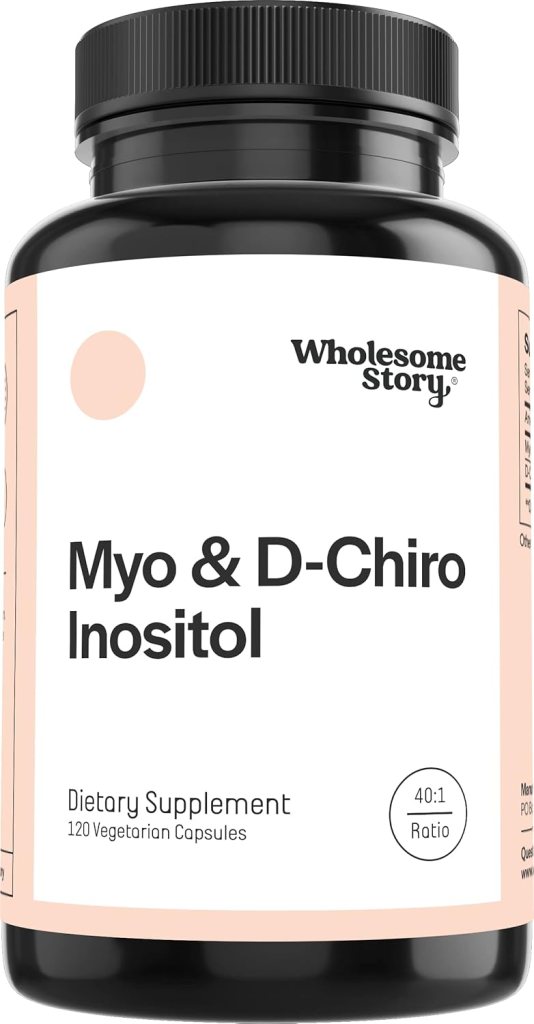
- Inositol: A supplement that can support healthy ovulation and insulin sensitivity.
- Spearmint Tea: Some studies suggest that drinking spearmint tea regularly may reduce excess hair growth due to its anti-androgen effects.
- Omega-3 Fatty Acids: Found in fish oil and flaxseed, omega-3s can help reduce inflammation and balance hormones.
Here is a list of supplements recommended. Note to always research and consider trusted brands that focus on natural health solutions.





3. Mental Health and Emotional Support
Managing the emotional aspects of PCOS is just as important as tackling the physical symptoms. Anxiety, depression, and stress can be higher in women with PCOS, largely due to the challenges of living with a chronic condition.
- Support Groups: Connecting with others who understand what you’re going through can be incredibly empowering. Look for online communities or local support groups.
- Therapy: If you’re struggling emotionally, don’t hesitate to seek counseling or therapy. Cognitive Behavioral Therapy (CBT) is a popular option for managing the mental health challenges of chronic conditions.
Reclaim Your Health: Tips for Thriving with PCOS
While PCOS may present some challenges, it doesn’t have to define your life. By taking proactive steps to manage symptoms, improve your health, and stay connected with supportive communities, you can lead a vibrant, fulfilling life.
By choosing the right products, making informed lifestyle choices, and staying consistent with your care, you can thrive with PCOS and live your life to the fullest.
Managing PCOS doesn’t have to be a daily battle. With the right information, lifestyle changes, and support, you can take control of your health and thrive despite PCOS. Remember, you’re not alone on this journey—there’s a whole community out there rooting for you. By exploring and investing in the best treatments, supplements, and strategies, you’ll be well on your way to a healthier, happier you.

 EveryNBet Living