

When it comes to skincare, one size doesn’t fit all. The secret to healthier, more radiant skin starts with understanding what your skin needs. Are you struggling with dryness, excess oil, or irritation that won’t go away? The solution might be simpler than you think: knowing your skin type. Once you identify your skin’s unique characteristics, you can tailor your skincare routine to match, making all the difference in how your skin looks and feels. In this guide, we’ll break down a simple and easy method to help you figure out your skin type and give you the tools to create a personalized skincare routine that works for you. After all, your skin, your rules!
Understanding Skin Types:
Before diving into how to figure out your skin type, let’s review the basic categories. There are five primary skin types:
- Normal Skin: Balanced and healthy with few imperfections.
- Oily Skin: Shiny, especially in the T-zone (forehead, nose, chin) with visible pores and a tendency to break out.
- Dry Skin: Flaky, tight, or rough to the touch with possible redness or irritation.
- Combination Skin: A mix of oily and dry areas, usually with an oily T-zone and dry cheeks.
- Sensitive Skin: Easily irritated, with redness, itching, or a burning sensation.
Now that you’re familiar with the different skin types, let’s walk through an easy step-by-step process to figure out where your skin fits.
The Simple Method to Identify Your Skin Type
Step 1: Start with a Clean Face
Before you start testing your skin, cleanse your face gently with a mild, fragrance-free cleanser to remove dirt and oil. Pat your face dry with a towel and leave it bare—no moisturizer or serums. This step is important because it allows your skin to return to its natural state so you can accurately assess its needs.
Step 2: Wait for 30 Minutes
Give your skin some time to adjust. After cleansing, wait about 30 minutes to let your skin settle. This is crucial because it gives your skin a chance to react naturally to the environment, helping you see if it becomes oily, tight, or dry.
Step 3: The Touch Test
Now it’s time for the hands-on test! Gently press your fingers onto your forehead, cheeks, nose, and chin (the T-zone area). Here’s what to look for:
- Oily Skin: If your skin feels shiny and greasy, especially in the T-zone, you likely have oily skin.
- Dry Skin: If your skin feels tight or slightly rough, or if you notice flaky patches, you may have dry skin.
- Combination Skin: You might notice an oily T-zone but dry patches on your cheeks, which indicates combination skin.
- Normal Skin: If your skin feels soft, smooth, and hydrated with no excessive shine or tightness, you likely have normal skin.
Step 4: The Blotting Paper Test (Optional)
If you’re still unsure, you can try the blotting paper method. Take a clean tissue or blotting paper and press it against different areas of your face, focusing on the T-zone. Hold it up to the light and check for oil:
- If the paper picks up a lot of oil from the forehead, nose, and chin, it’s a sign of oily skin.
- If the paper comes away mostly clean, it suggests dry or normal skin.
Step 5: Check for Sensitivity
Sensitive skin can be tricky to detect since it varies by person. If your skin reacts easily to certain products (such as redness, stinging, or irritation), you might have sensitive skin. Pay attention to any redness or reactions after using skincare products, even if they’re labelled for your skin type.
What Your Skin Type Means for Your Skincare Routine
Now that you’ve identified your skin type, you can customize your skincare regimen accordingly:
- For Oily Skin: Look for oil-free, mattifying products that help control shine and reduce clogged pores. Gel-based moisturizers and cleansers with salicylic acid are excellent choices.
- For Dry Skin: Opt for rich, hydrating products that help replenish moisture, such as cream-based cleansers and moisturizing serums with hyaluronic acid.
- For Combination Skin: Use a balanced skincare routine with gentle cleansers and lightweight moisturizers. Target your T-zone with oil-control products, and moisturize dry areas with a richer cream.
- For Normal Skin: Keep it simple with lightweight products that maintain balance, like a gentle cleanser and a nourishing moisturizer.
- For Sensitive Skin: Choose fragrance-free, soothing products that help reduce irritation. Look for cleansers and moisturizers with ingredients like aloe vera or chamomile.
Conclusion
Identifying your skin type doesn’t have to be complicated. By following these simple steps, you can gain a deeper understanding of what your skin truly needs. Once you know your skin type, you’ll be well on your way to choosing the right products and creating a skincare routine that works for you. Remember, skincare is a journey, and your skin’s needs might change over time—so check in every now and then to ensure you’re still on the right track. The key to glowing, healthy skin is all in knowing your skin, and now, with this knowledge, the rules are yours to set!
Here’s a list of recommended skincare products based on different skin types:
1. For Oily Skin:
Oily skin tends to produce excess sebum, especially in the T-zone (forehead, nose, chin). The goal for oily skin is to control oil, reduce shine, and prevent clogged pores.
Cleansers:
- CeraVe Foaming Facial Cleanser (Oil Control)
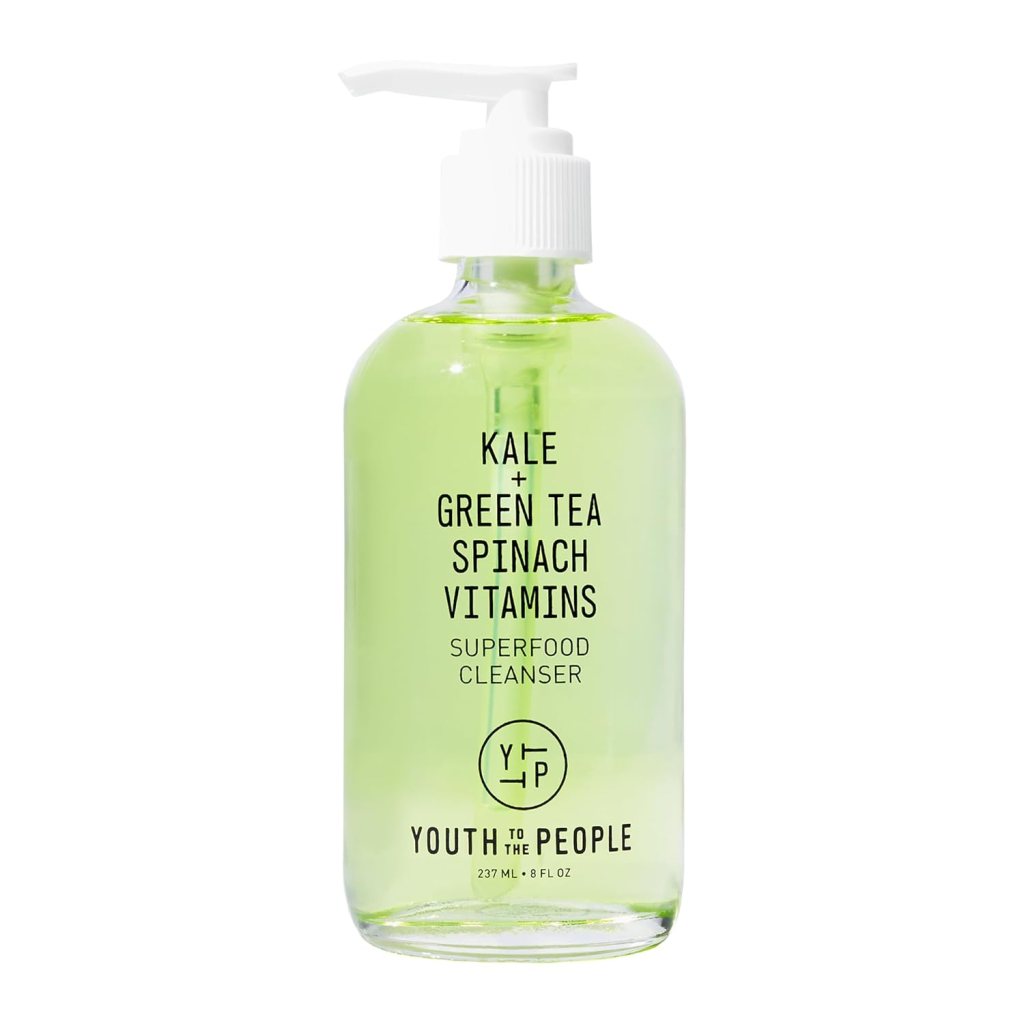
- Youth to the People Superfood Antioxidant Cleanser
- La Roche-Posay Toleriane Purifying Foaming Cleanser


Toners:
- The Ordinary Glycolic Acid 7% Toning Solution (Exfoliating)
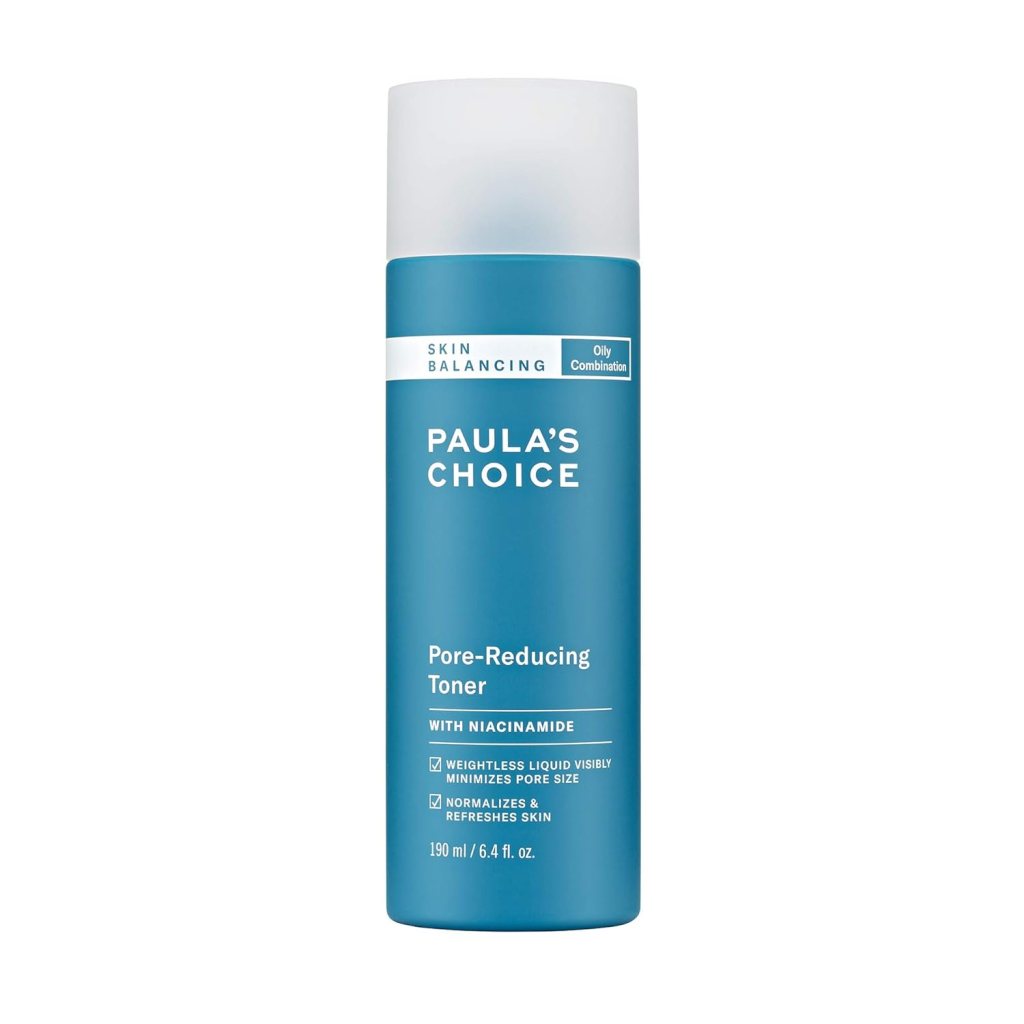
- Paula’s Choice Skin Balancing Pore-Reducing Toner
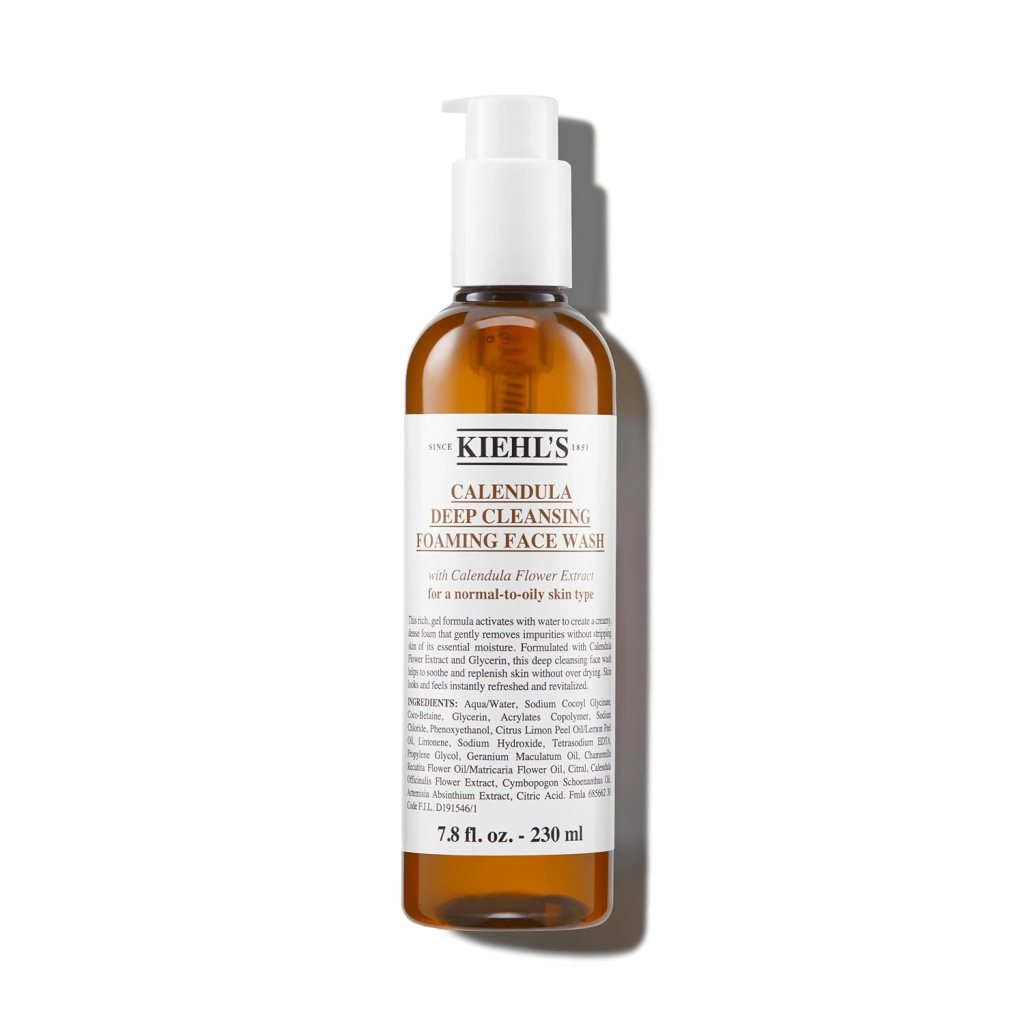
- Kiehl’s Calendula Herbal Extract Alcohol-Free Toner

Moisturizers:
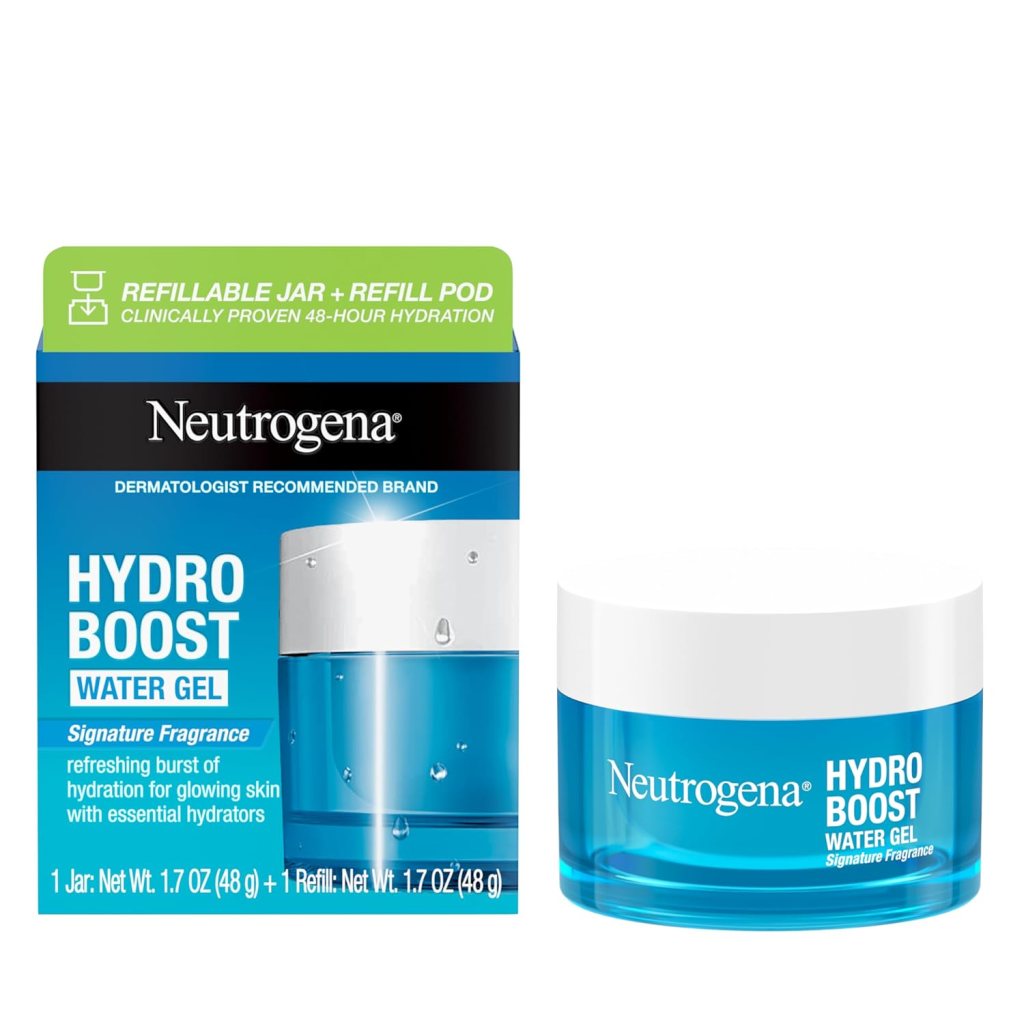
- Neutrogena Hydro Boost Water Gel
- Clinique Dramatically Different Hydrating Jelly
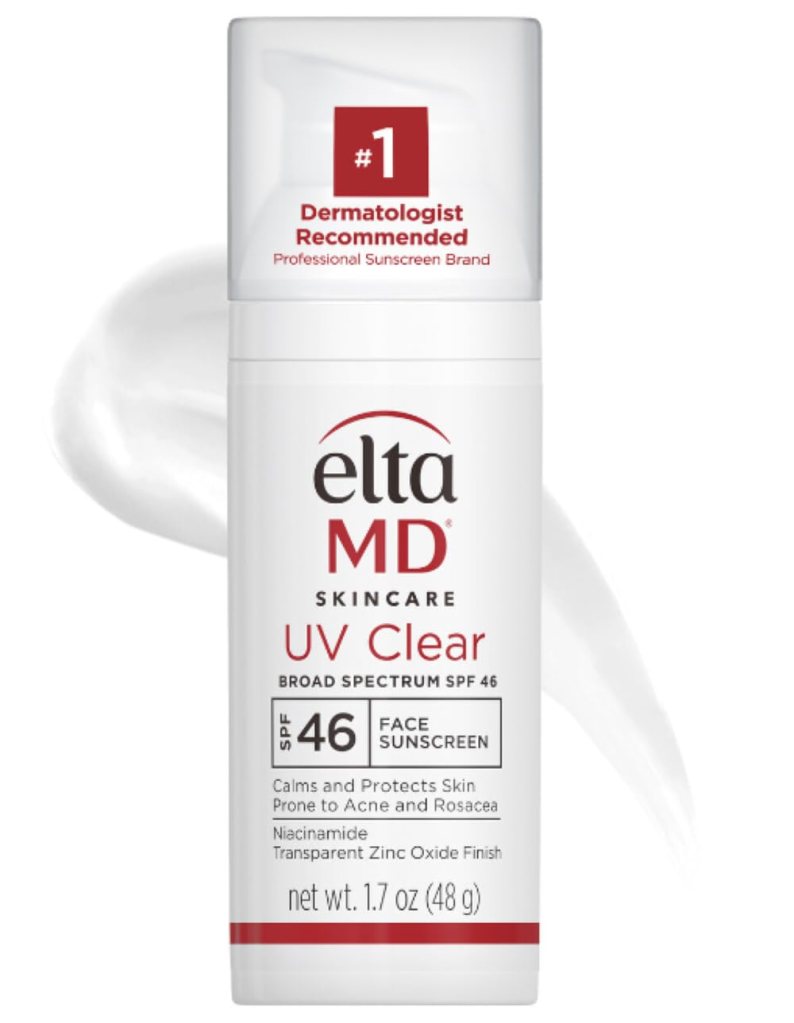
- EltaMD UV Clear Broad-Spectrum SPF 46 (also doubles as a sunscreen)

Masks (Optional):
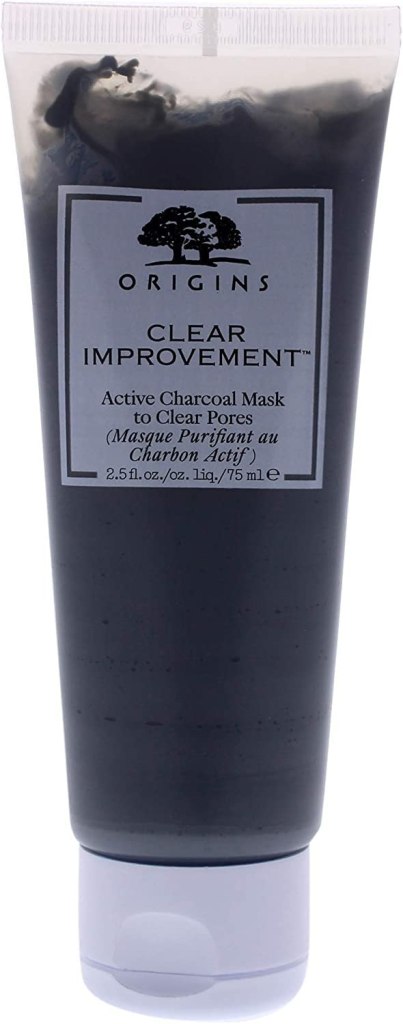
- Origins Clear Improvement Active Charcoal Mask (Detoxifying)
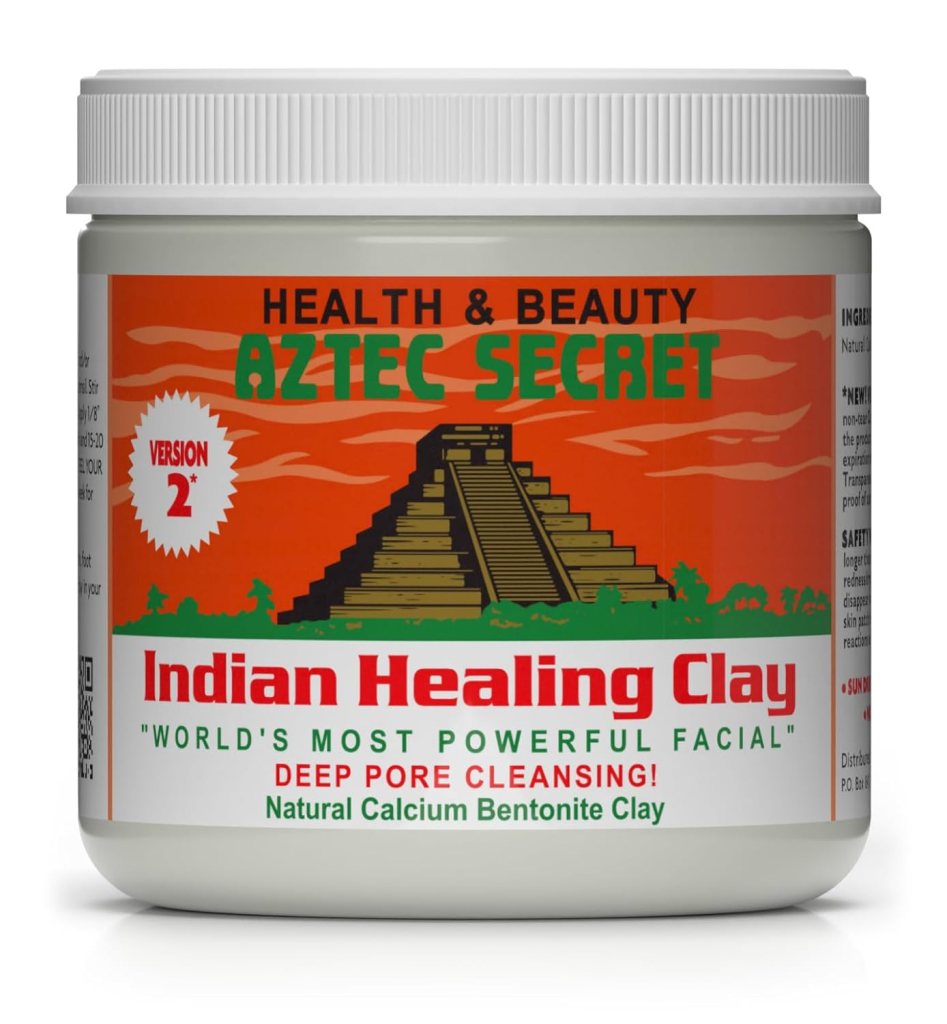
- Aztec Secret Indian Healing Clay Mask
Serums (Optional):
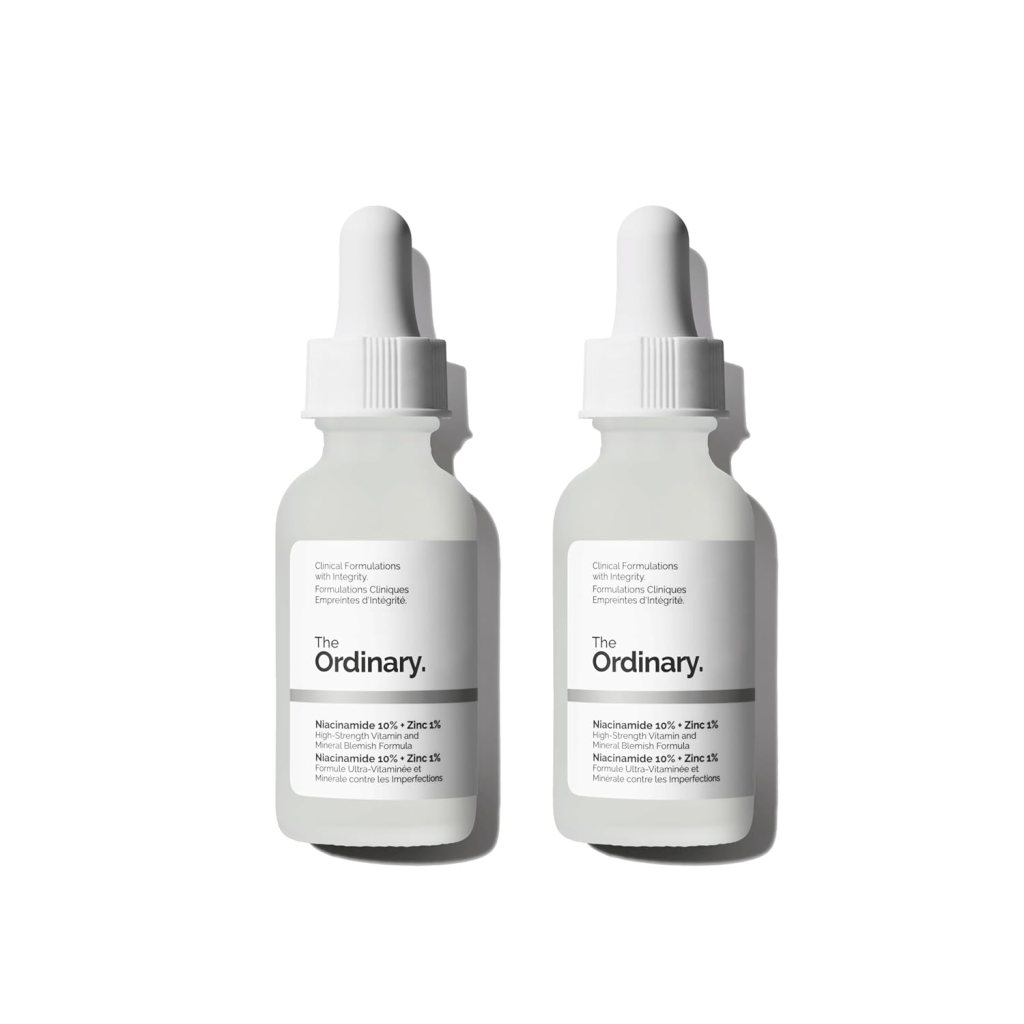
- The Ordinary Niacinamide 10% + Zinc 1% (To control oil and minimize pores)
- Skinceuticals Blemish + Age Defense (Acne & Anti-aging)
2. For Dry Skin:
Dry skin lacks moisture and may feel tight, flaky, or rough. Hydrating products are key to replenishing moisture and keeping skin soft.
Cleansers:
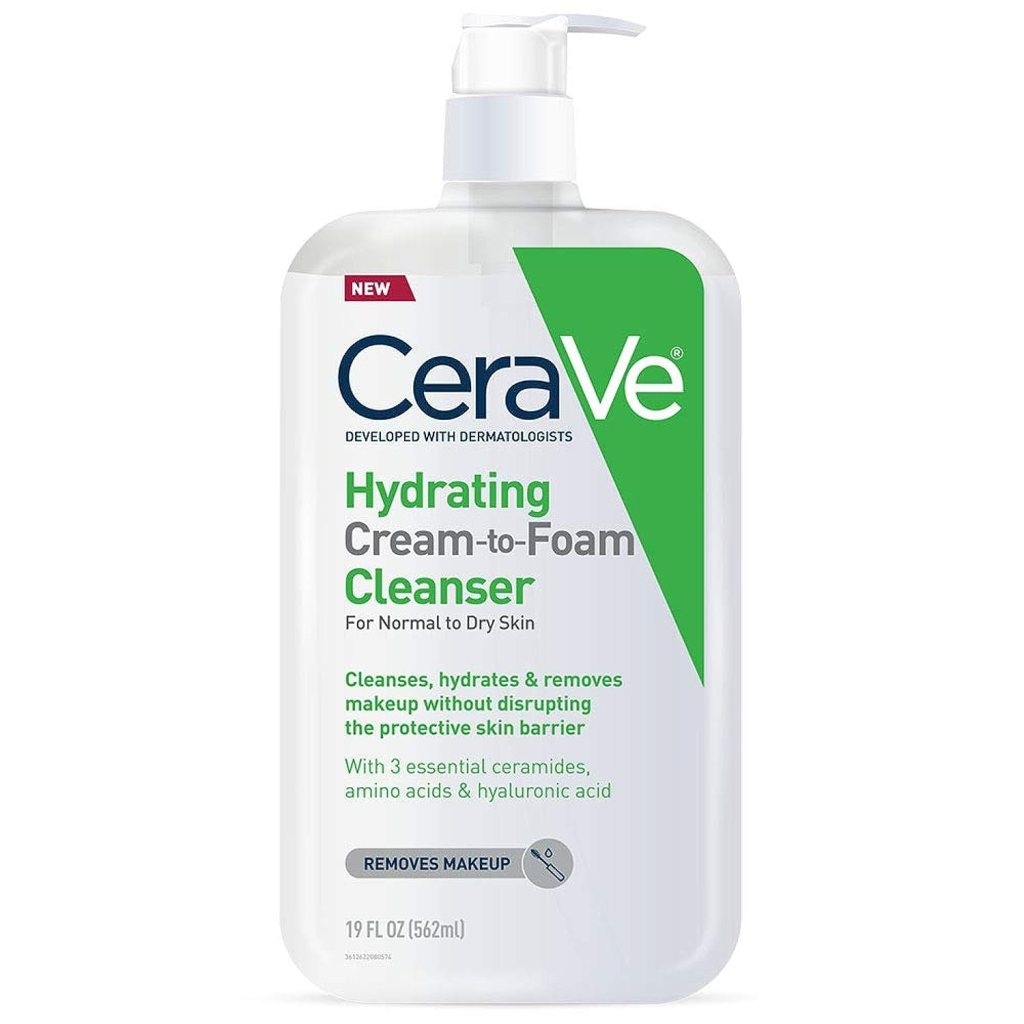
- CeraVe Hydrating Cleanser
- First Aid Beauty Pure Skin Face Cleanser
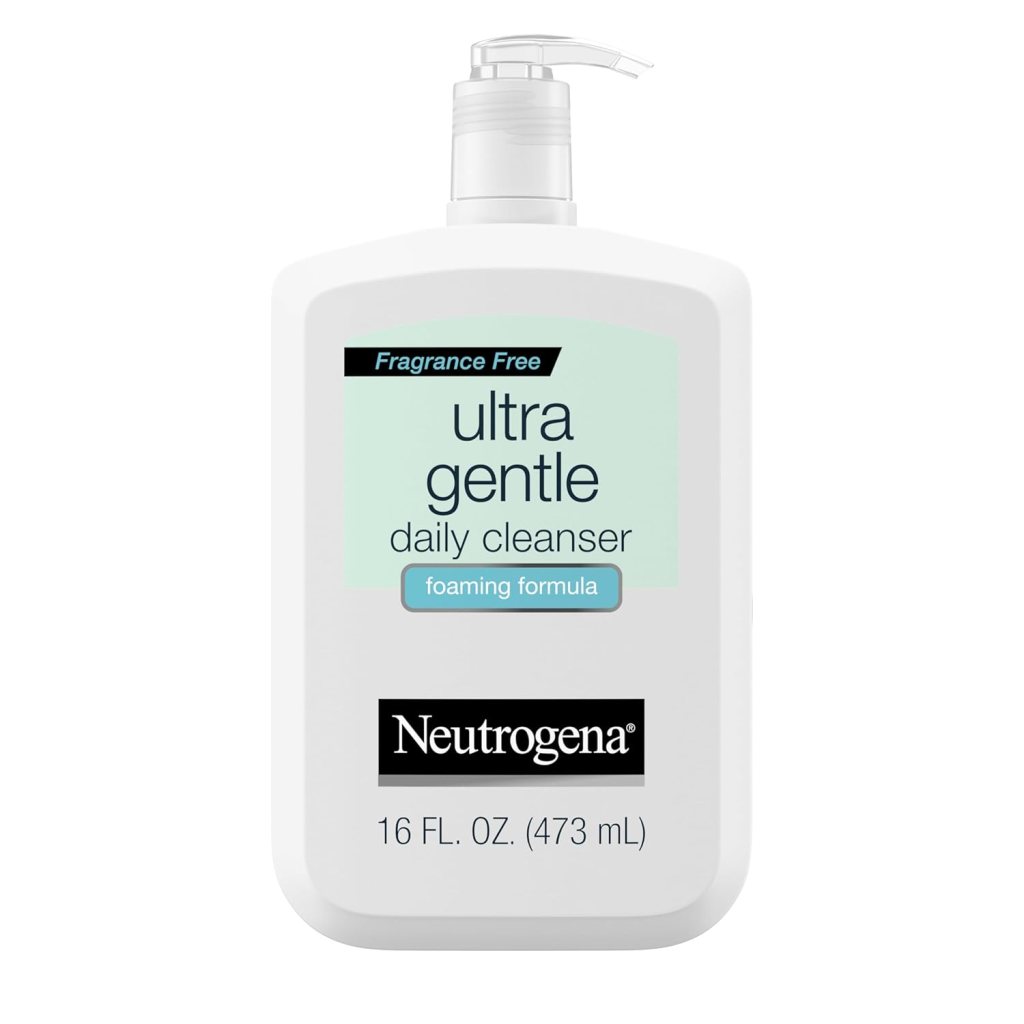
- Neutrogena Ultra Gentle Hydrating Cleanser

Toners:
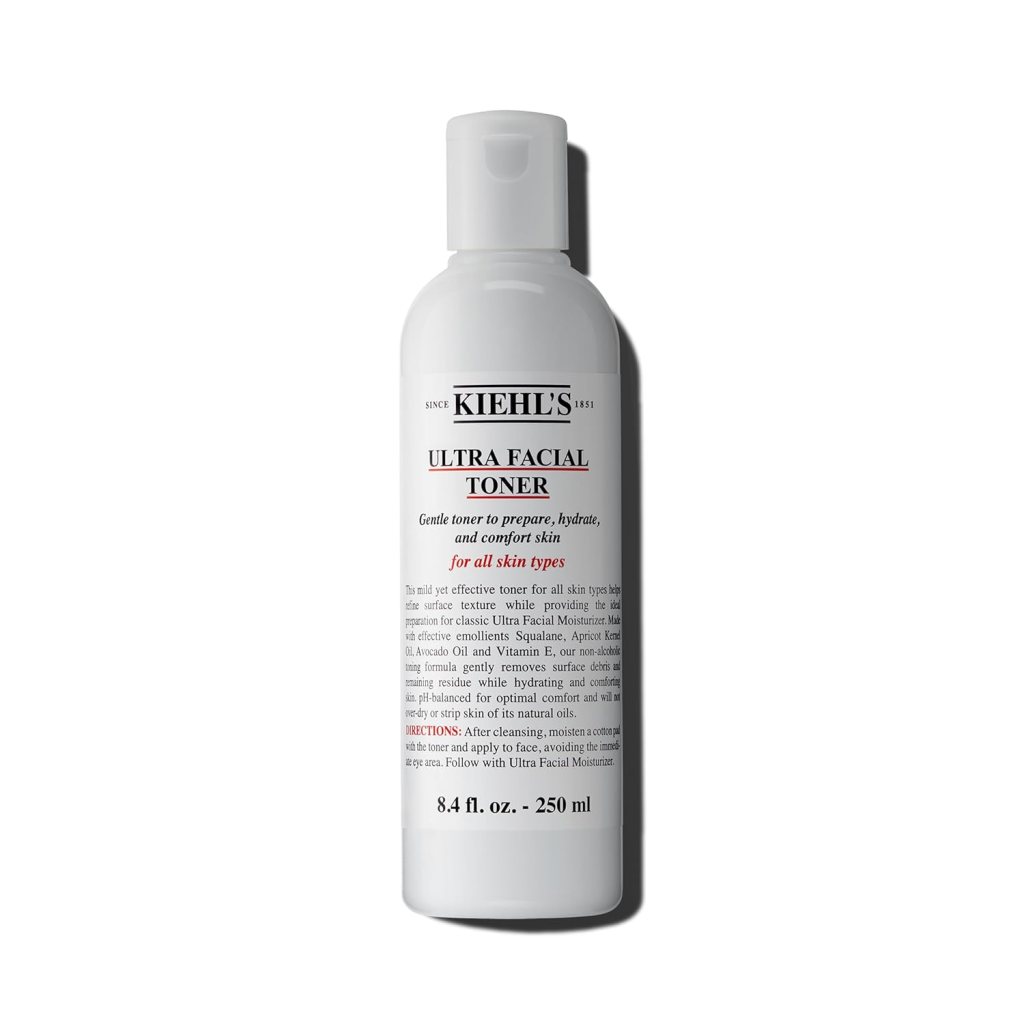
- Kiehl’s Ultra Facial Toner
- Pixi Glow Tonic (Contains glycolic acid for a gentle exfoliation)
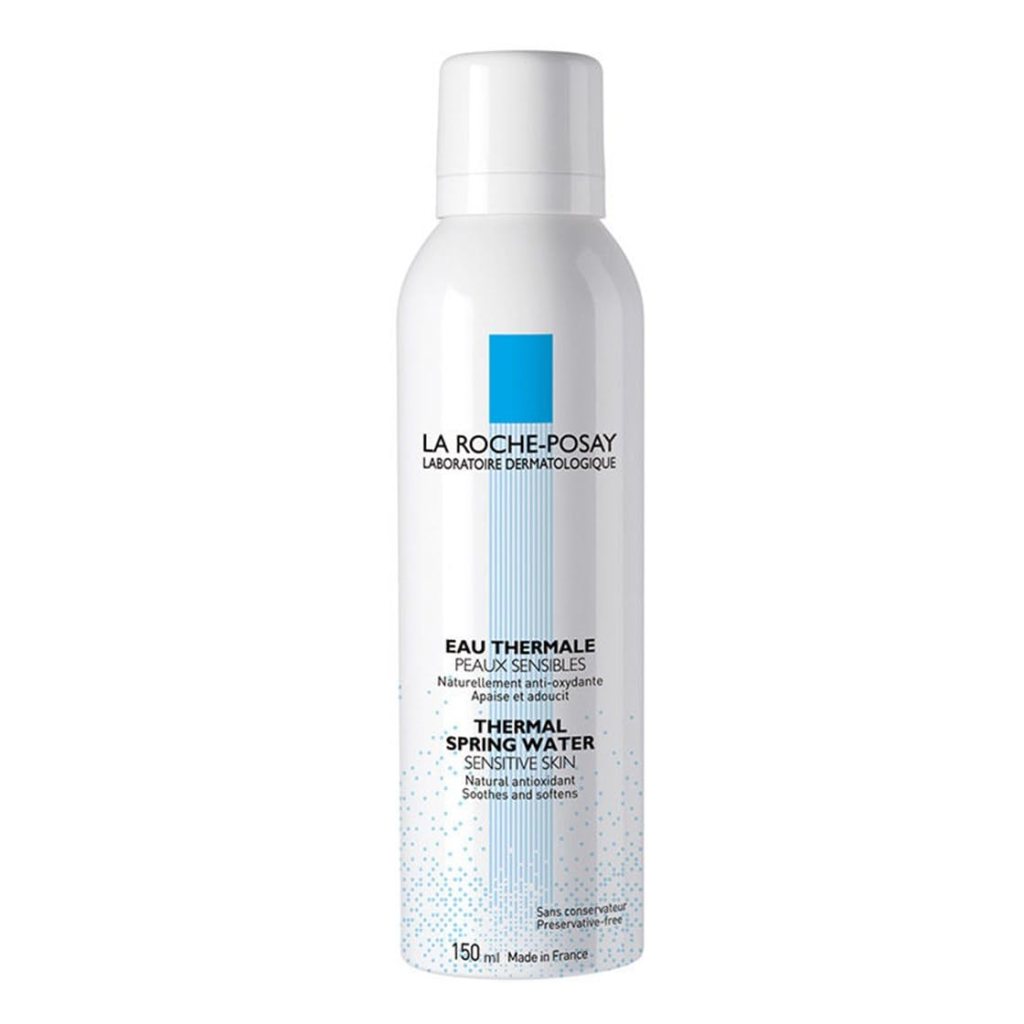
- La Roche-Posay Thermal Spring Water Spray (Hydrating mist)

Moisturizers:
- CeraVe Moisturizing Cream
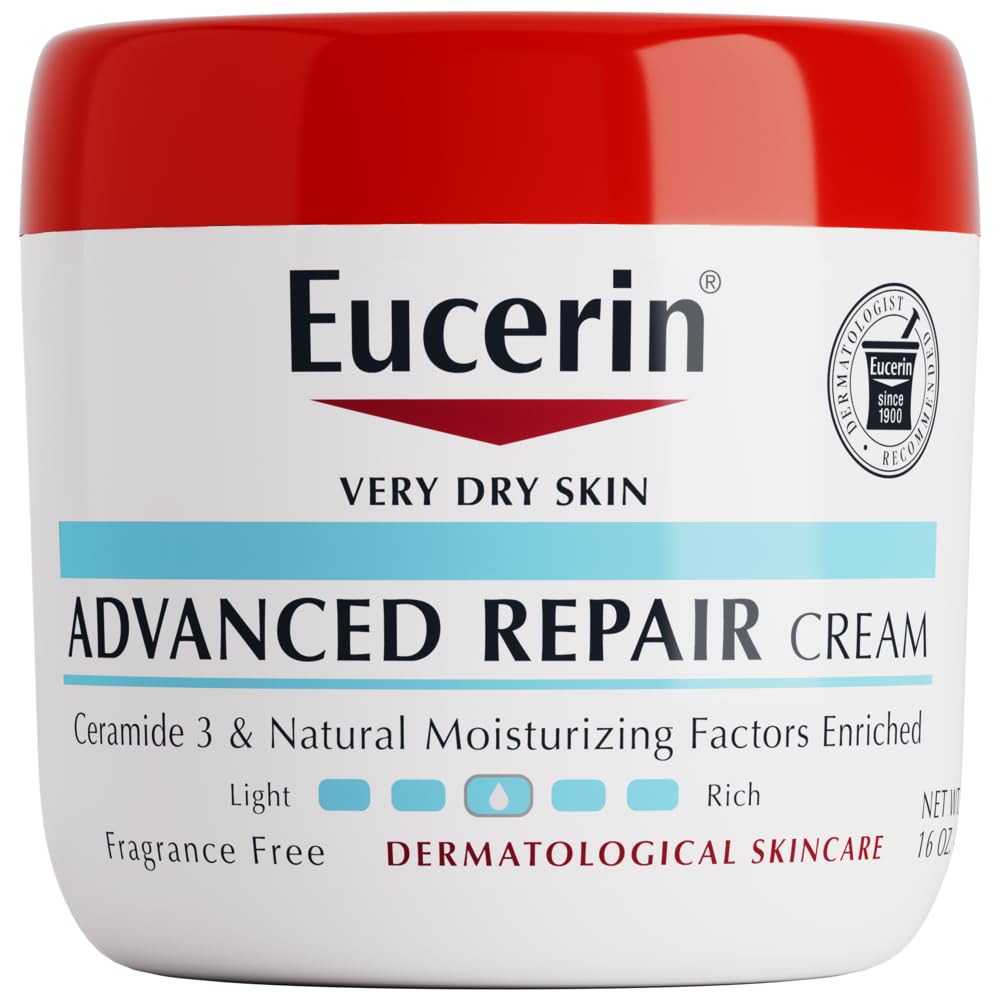
- Eucerin Advanced Repair Cream
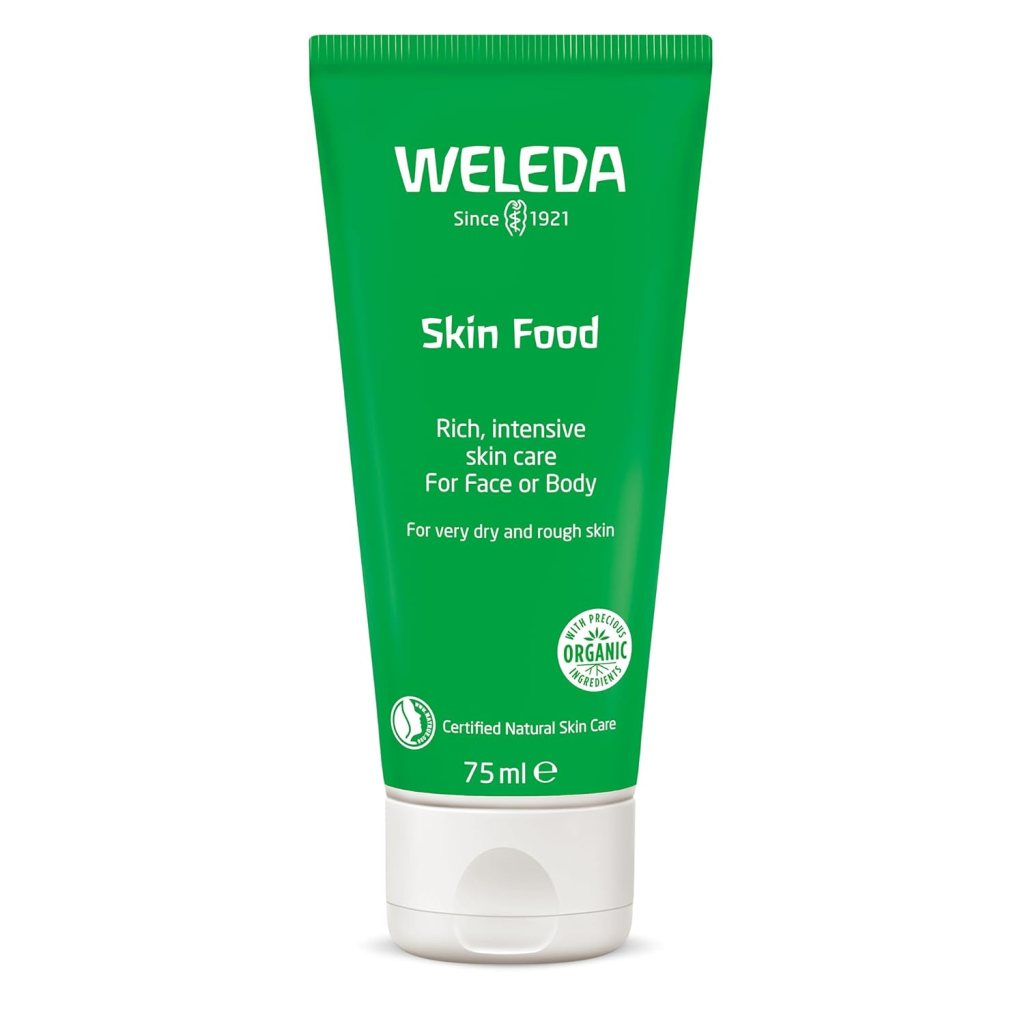
- Weleda Skin Food Original Ultra-Rich Cream

Masks (Optional):
- Laneige Water Sleeping Mask (Hydrating overnight mask)
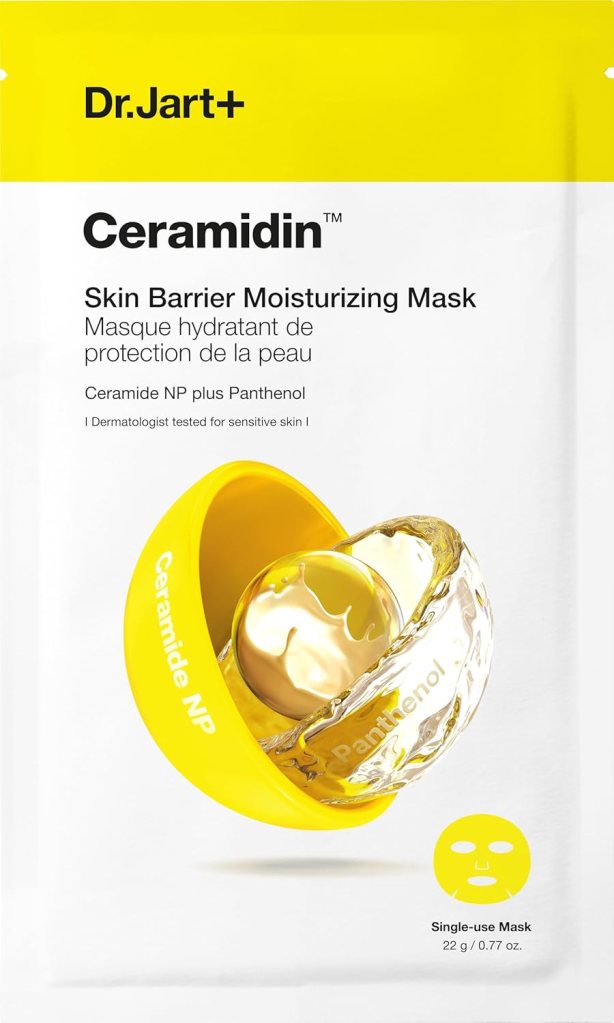
- Dr. Jart+ Ceramidin Mask (Hydration and barrier support)

Serums (Optional):
- The Ordinary Hyaluronic Acid 2% + B5 (Deep hydration)
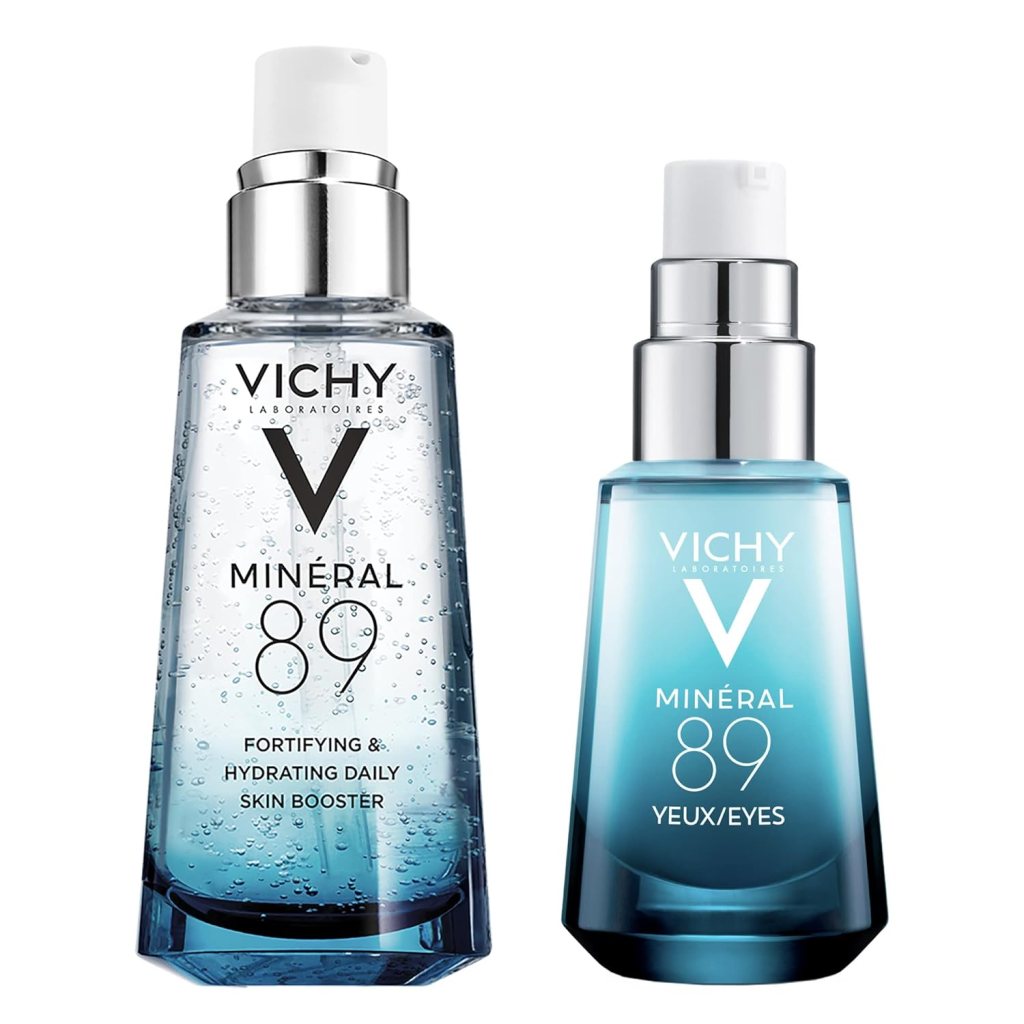
- Vichy Minéral 89 Hyaluronic Acid Face Serum


3. For Combination Skin:
Combination skin has both oily and dry areas, usually an oily T-zone and dry cheeks. A balanced approach is needed for skincare.
Cleansers:
- Fresh Soy Face Cleanser (Gentle, hydrating, and suitable for mixed skin types)
- Cetaphil Daily Facial Cleanser (For normal to oily skin)
- Boscia Purifying Cleansing Gel (Mild, effective for mixed skin)


Toners:
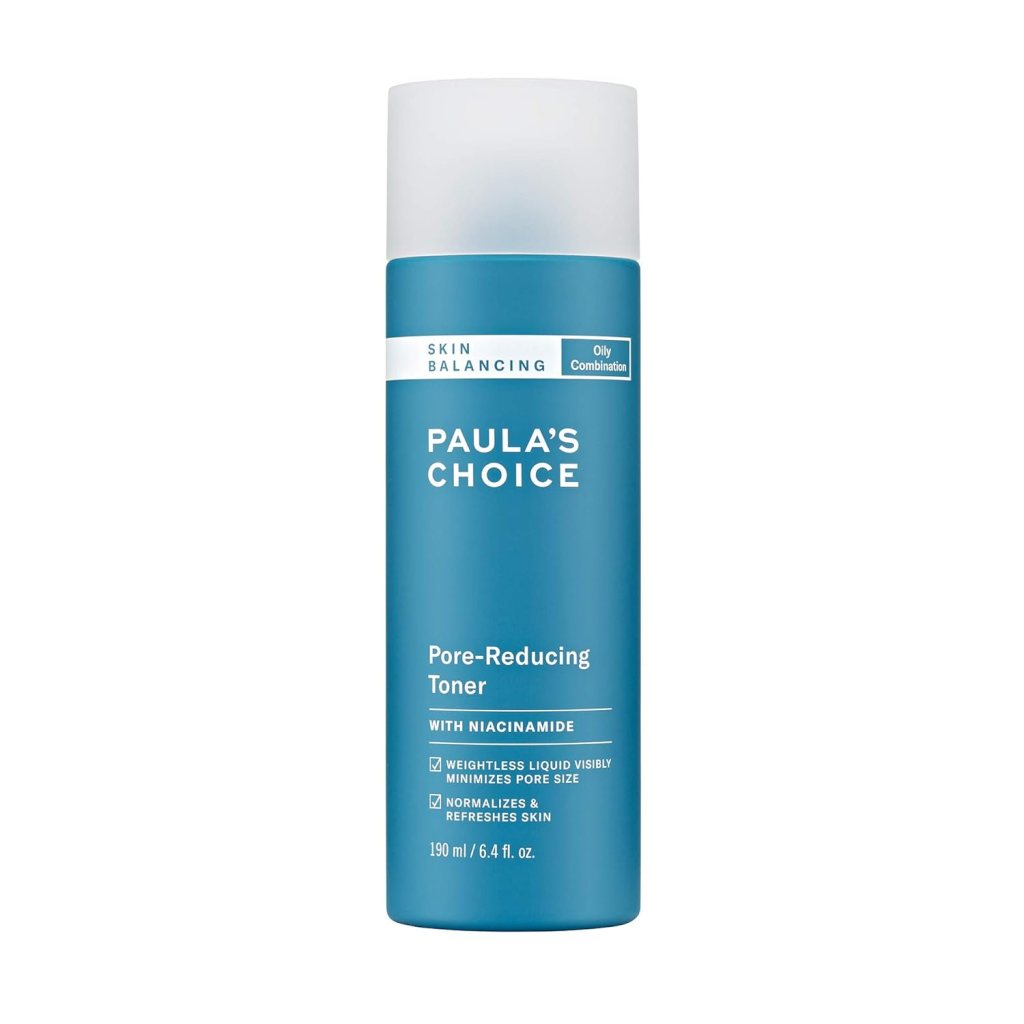
- Paula’s Choice Skin Balancing Pore-Reducing Toner
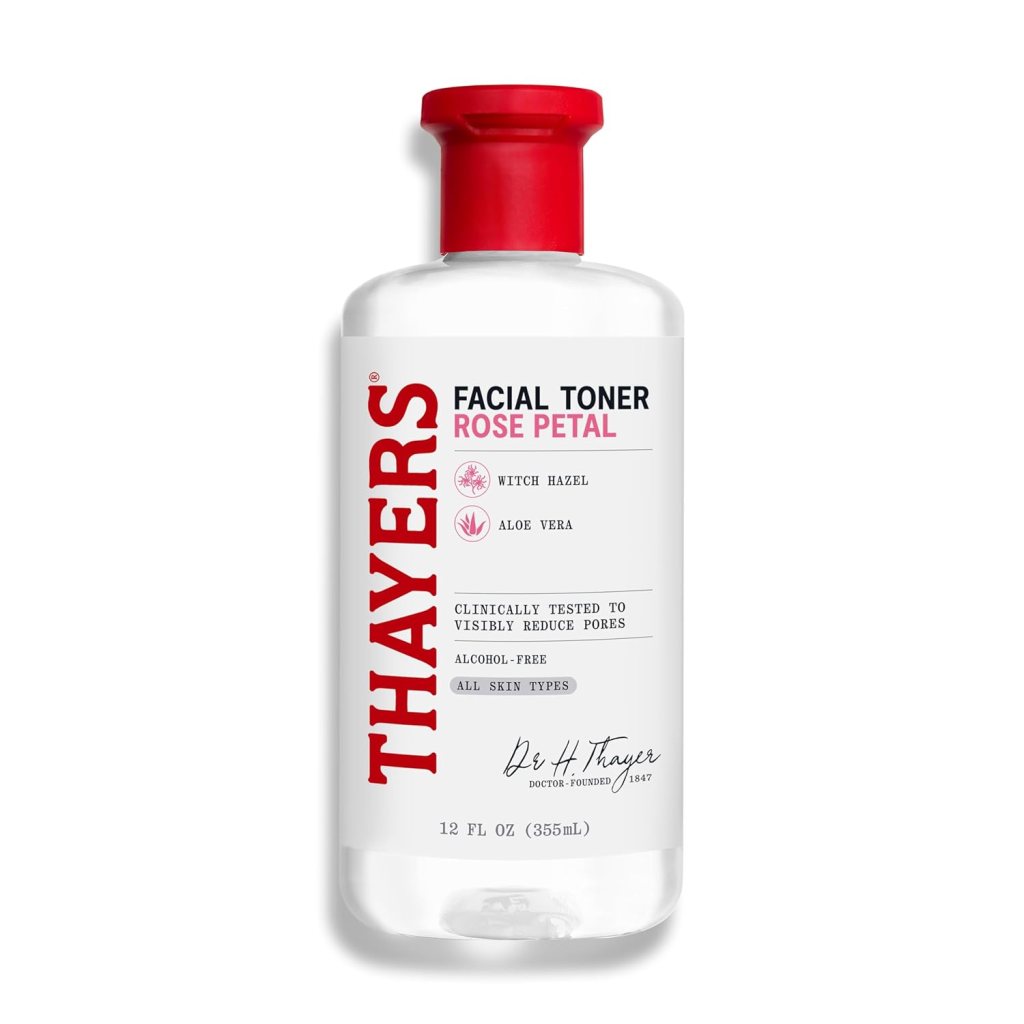
- Thayers Witch Hazel Toner (Alcohol-free)
- Neutrogena Alcohol-Free Toner (Gentle and non-drying)

Moisturizers:
- Clinique Dramatically Different Moisturizing Gel (Oil-free)
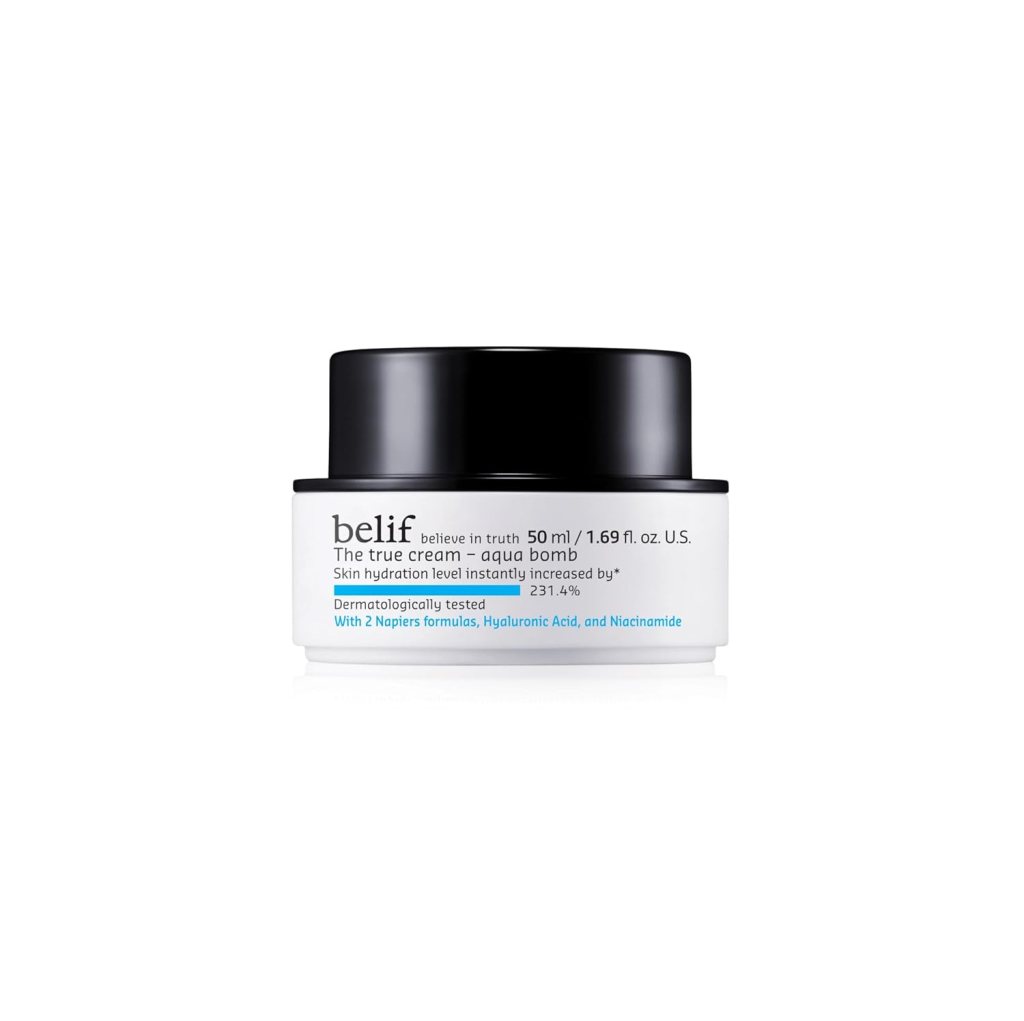
- Belif The True Cream Aqua Bomb (Lightweight hydration)
- Neutrogena Hydro Boost Water Gel


Masks (Optional):
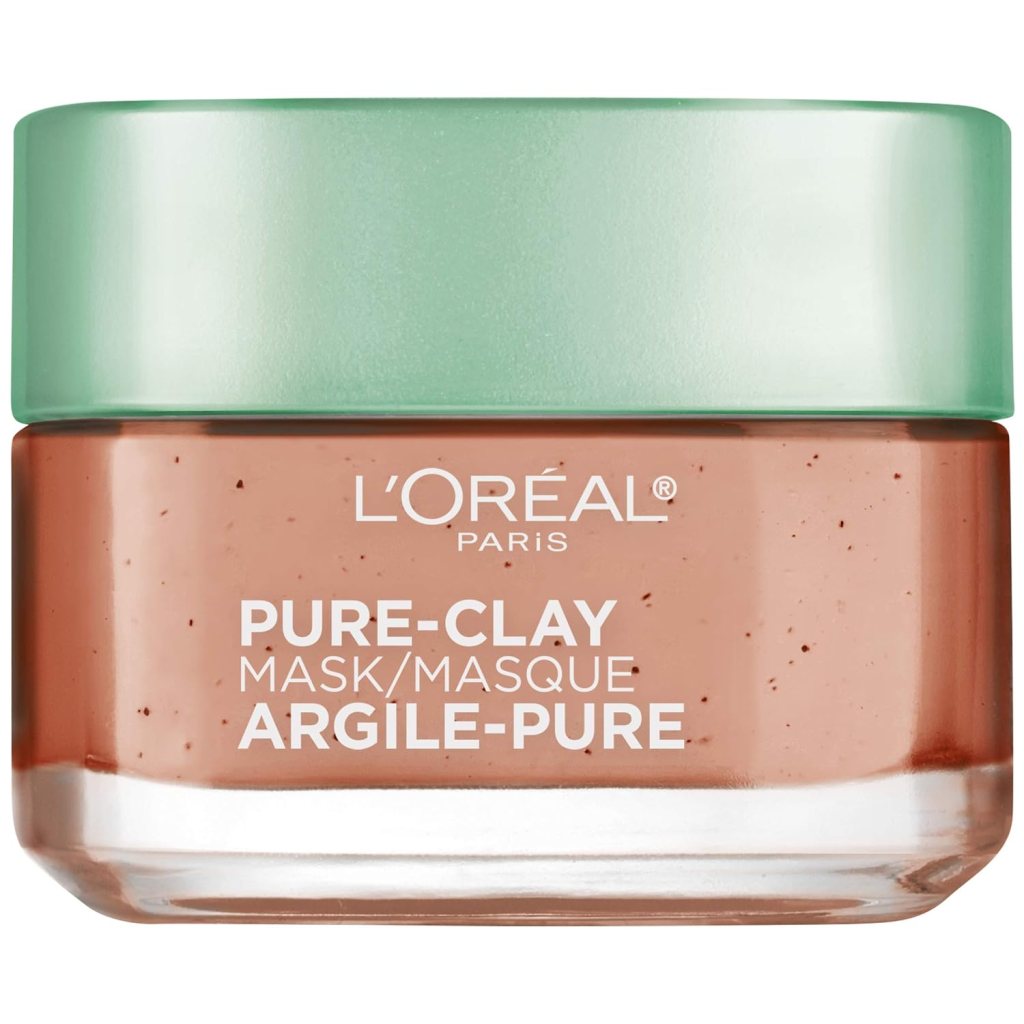
- L’Oréal Paris Pure Clay Mask (Choose based on specific needs – detoxifying or hydrating)
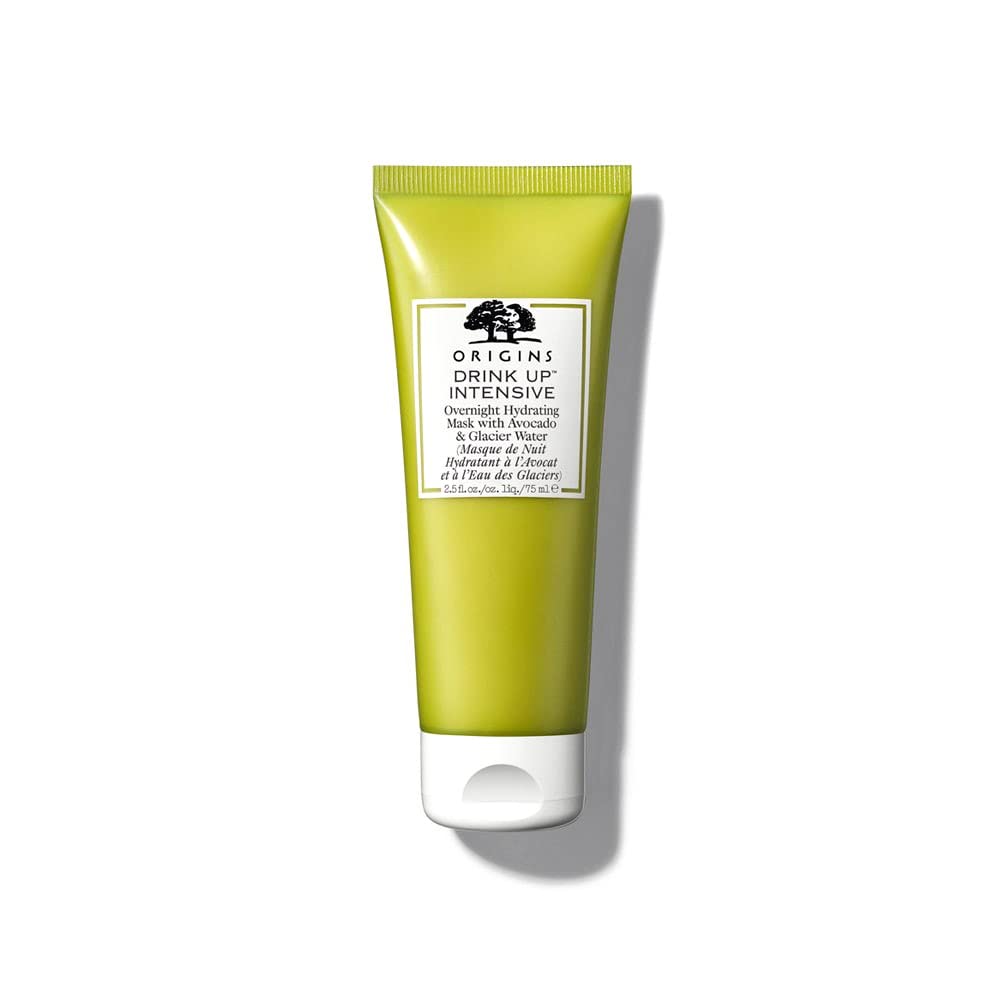
- Origins Drink Up Intensive Overnight Mask (Hydrating for dry patches)
Serums (Optional):
- The Ordinary Niacinamide 10% + Zinc 1% (To minimize pores and control oil)
- Vichy Minéral 89 Serum (Hydrating for mixed skin)

4. For Sensitive Skin:
Sensitive skin reacts easily to products and is prone to irritation. The focus should be on soothing, fragrance-free, and gentle products.
Cleansers:
- CeraVe Hydrating Cleanser
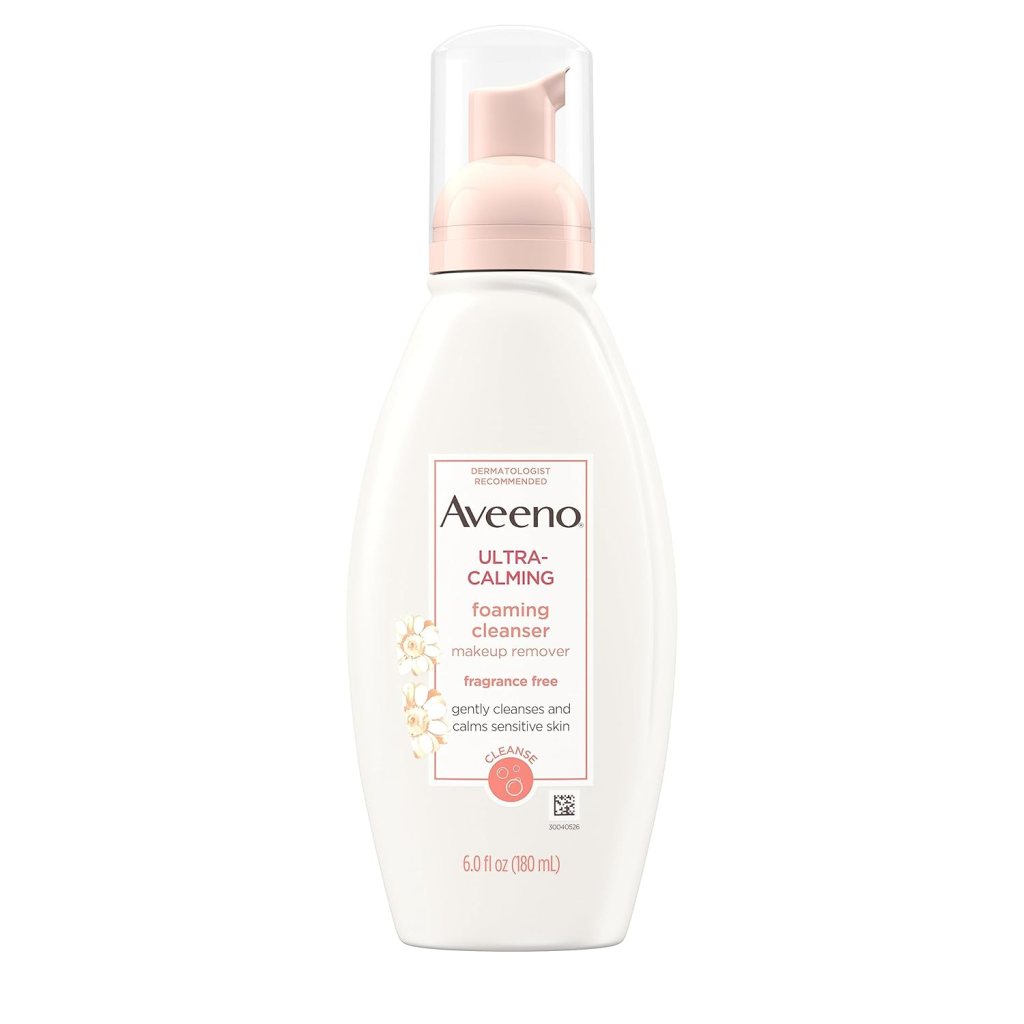
- Aveeno Ultra-Calming Foaming Cleanser
- Eucerin Advanced Cleansing Body and Face Cleanser


Toners:
- Simple Kind to Skin Soothing Facial Toner
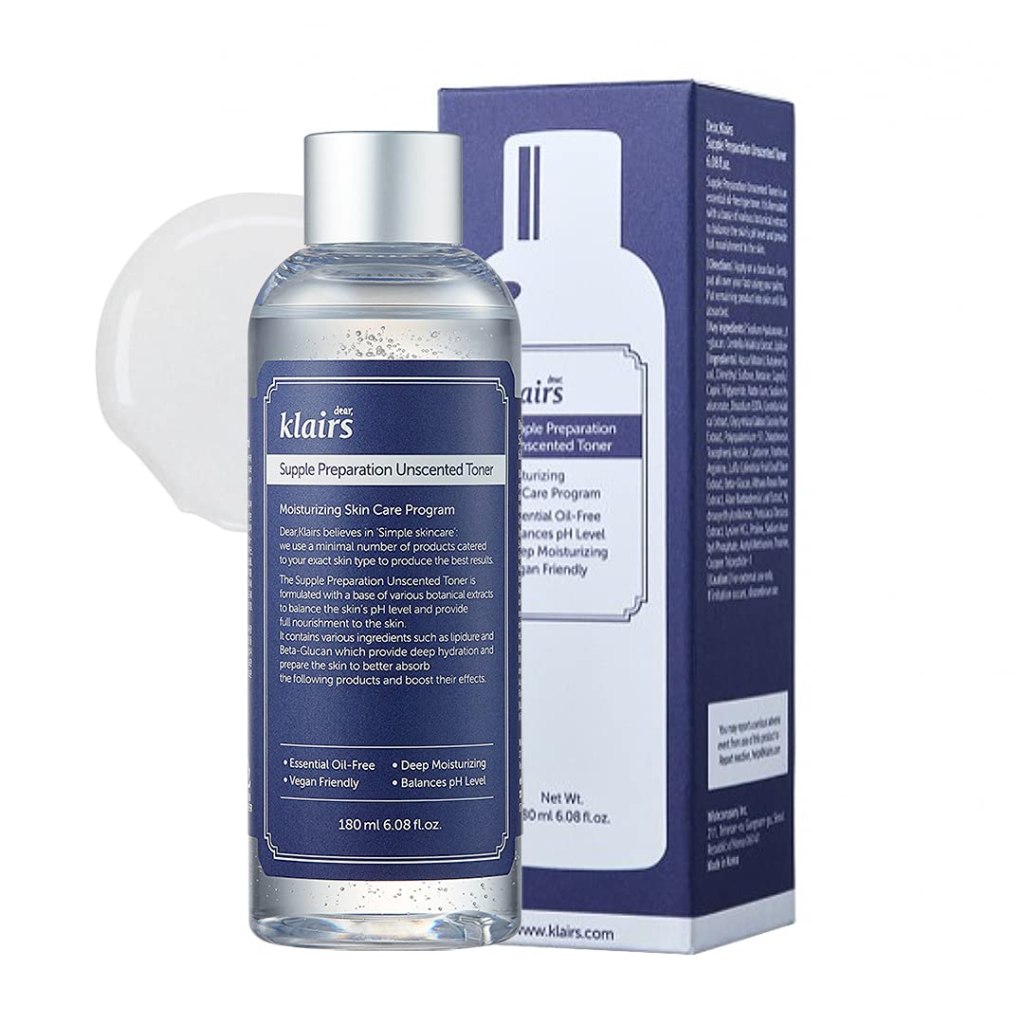
- Klairs Supple Preparation Unscented Toner
- Avene Gentle Toning Lotion


Moisturizers:
- CeraVe Moisturizing Cream (Fragrance-free and calming)
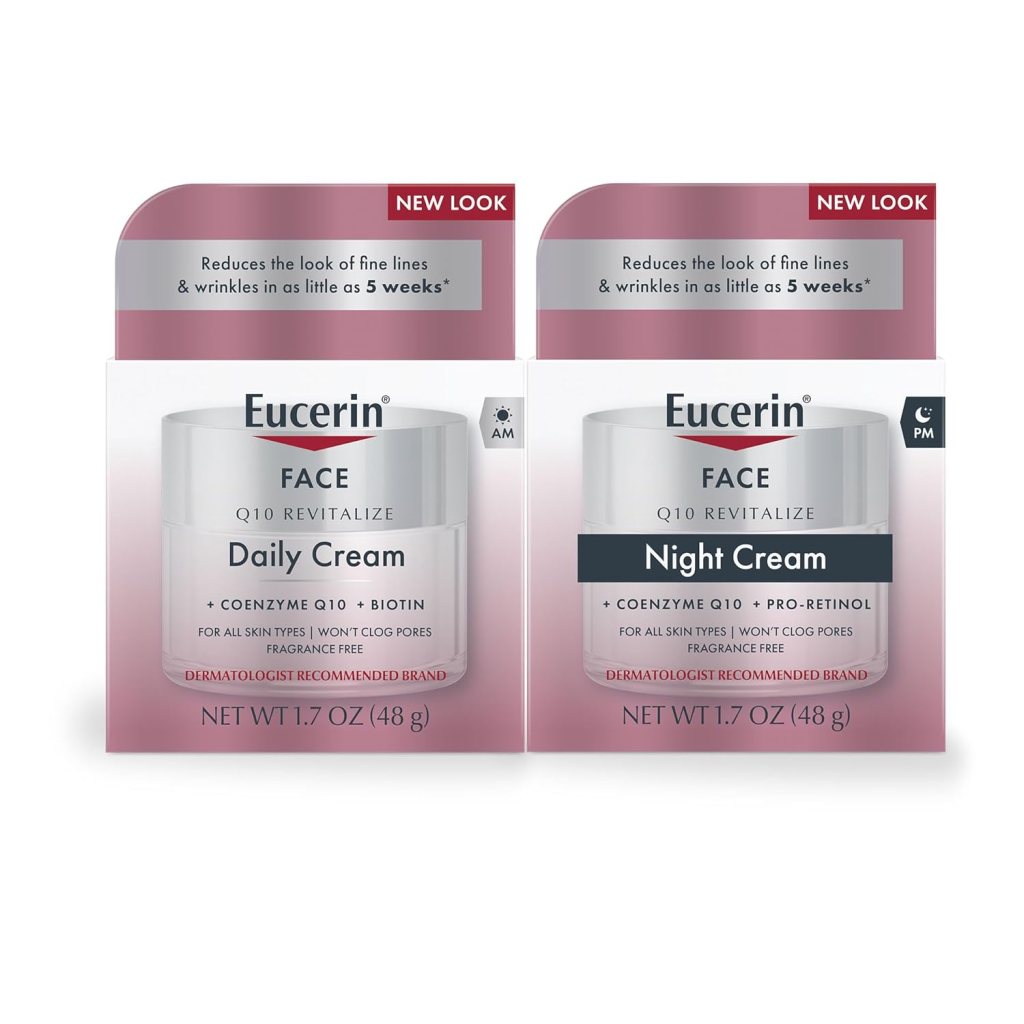
- Eucerin Redness Relief Night Cream
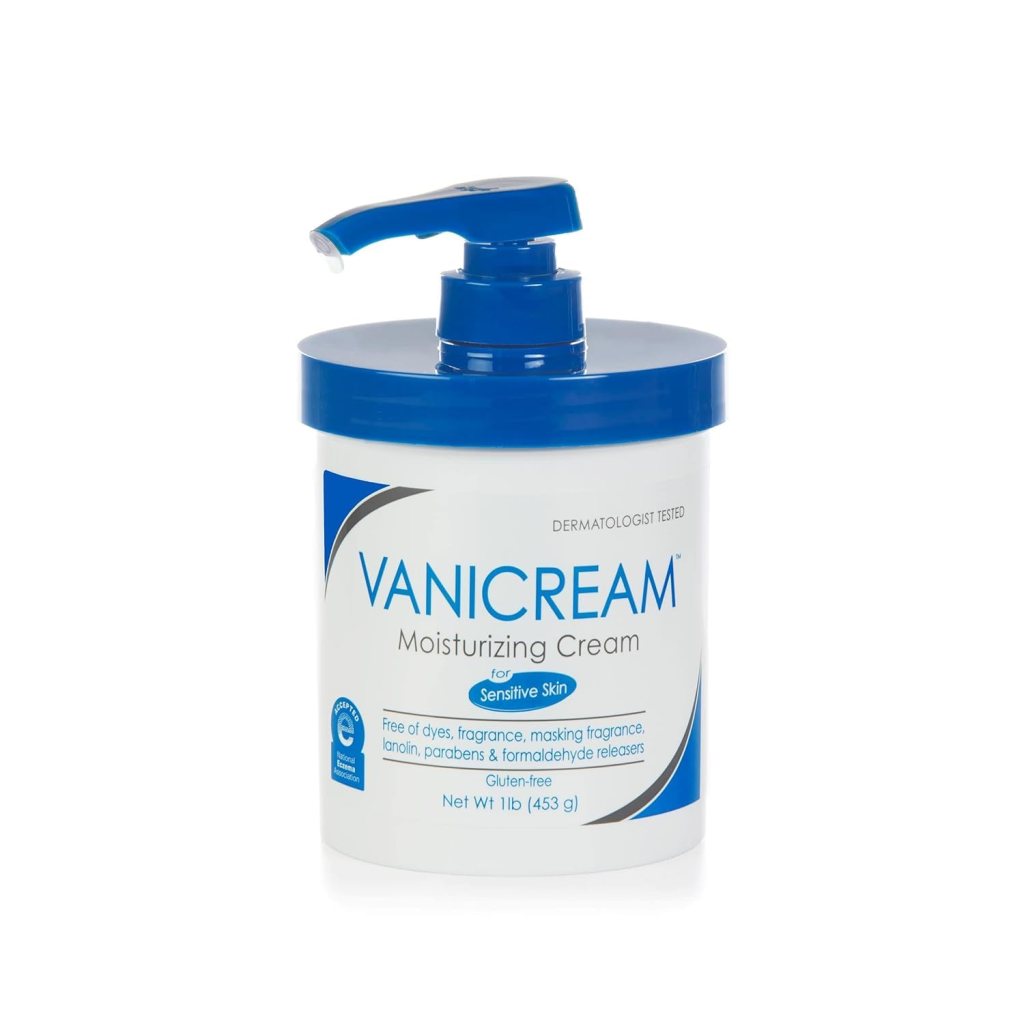
- Vanicream Moisturizing Cream (Ideal for sensitive skin)

Masks (Optional):
- Avene Soothing Sheet Mask
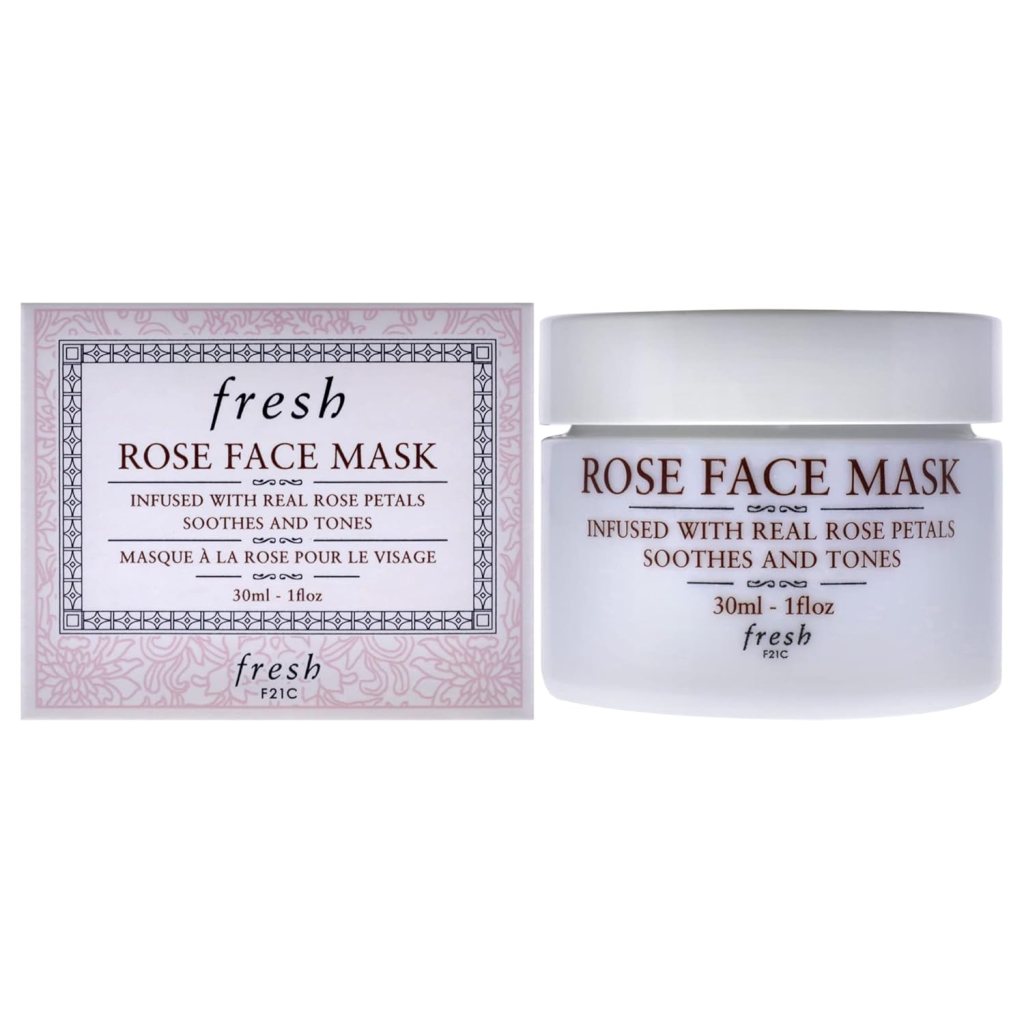
- Fresh Rose Face Mask (Hydrating and soothing)

Serums (Optional):
- The Ordinary Buffet (Gentle anti-aging and hydrating)
- Neutrogena Hydro Boost Hydrating Serum
5. For Normal Skin:
Normal skin is well-balanced, not too oily or dry, and can typically tolerate a wide variety of products.
Cleansers:
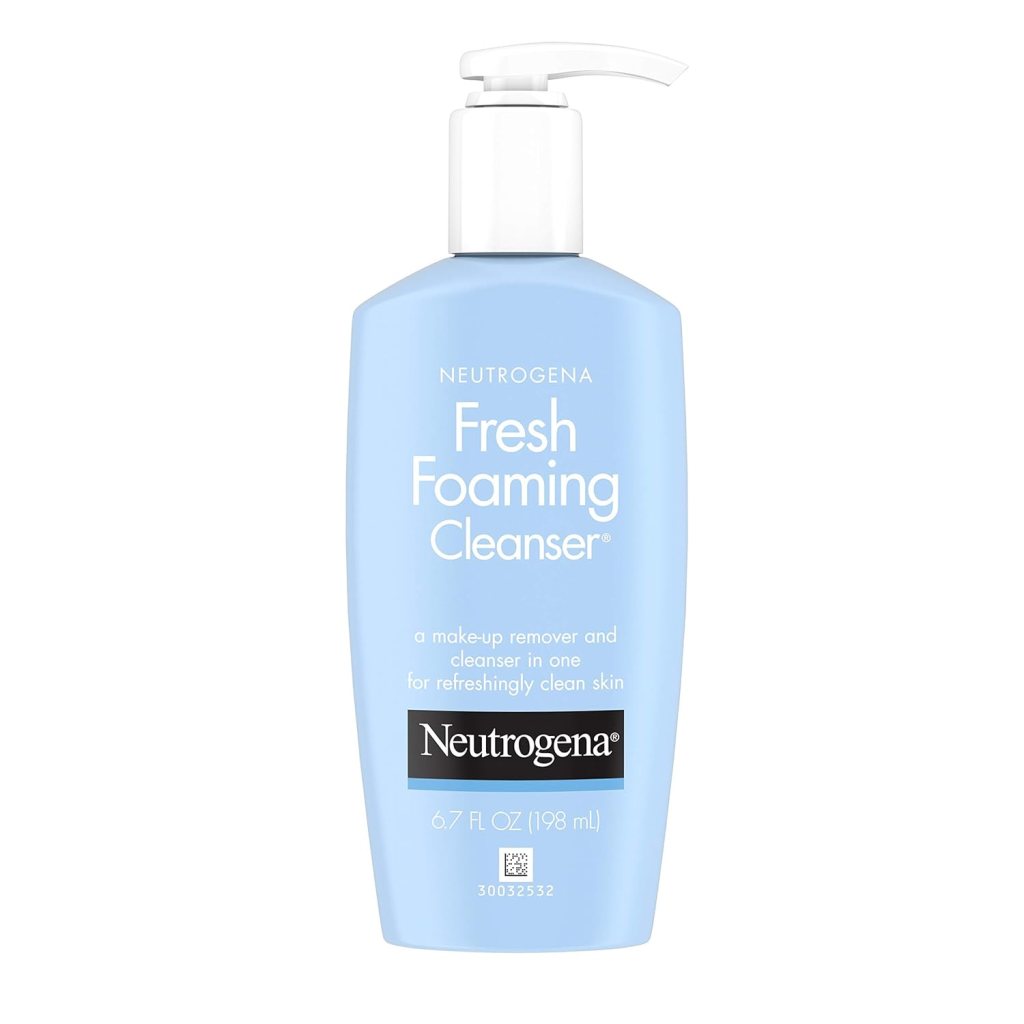
- Neutrogena Fresh Foaming Cleanser
- Cetaphil Daily Facial Cleanser
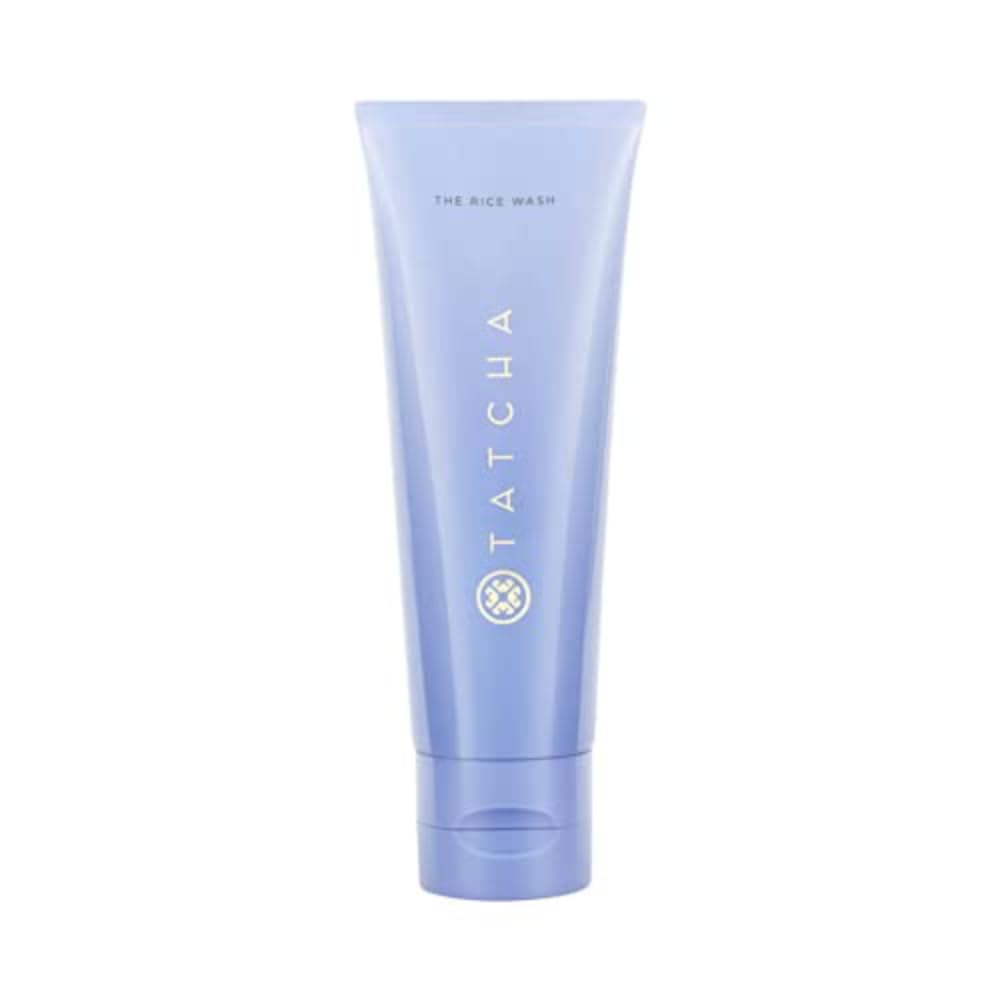
- Tatcha The Rice Wash Skin-Softening Cleanser

Toners:
- Paula’s Choice Enriched Calming Toner
- Pixi Glow Tonic
- Kiehl’s Calendula Herbal Extract Alcohol-Free Toner


Moisturizers:
- Clinique Moisture Surge 72-Hour Auto-Replenishing Hydrator
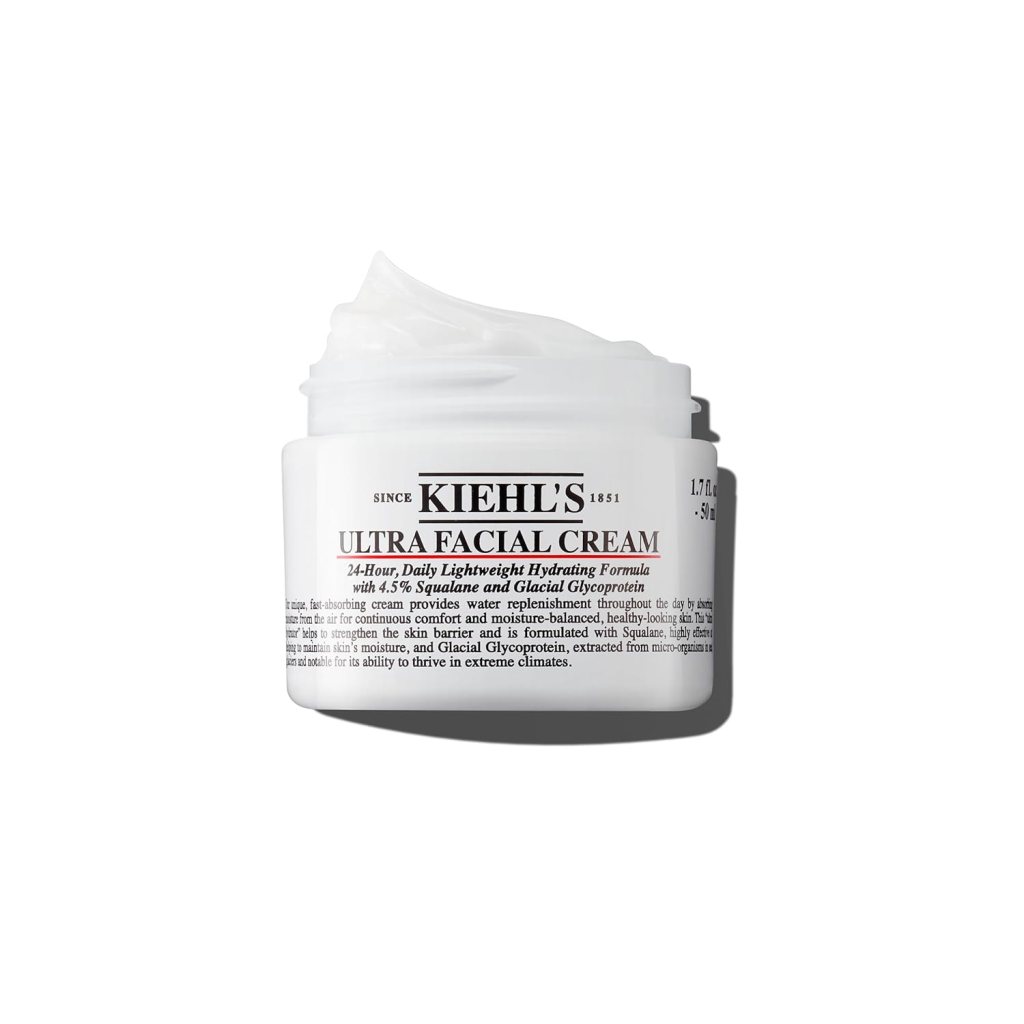
- Kiehl’s Ultra Facial Cream
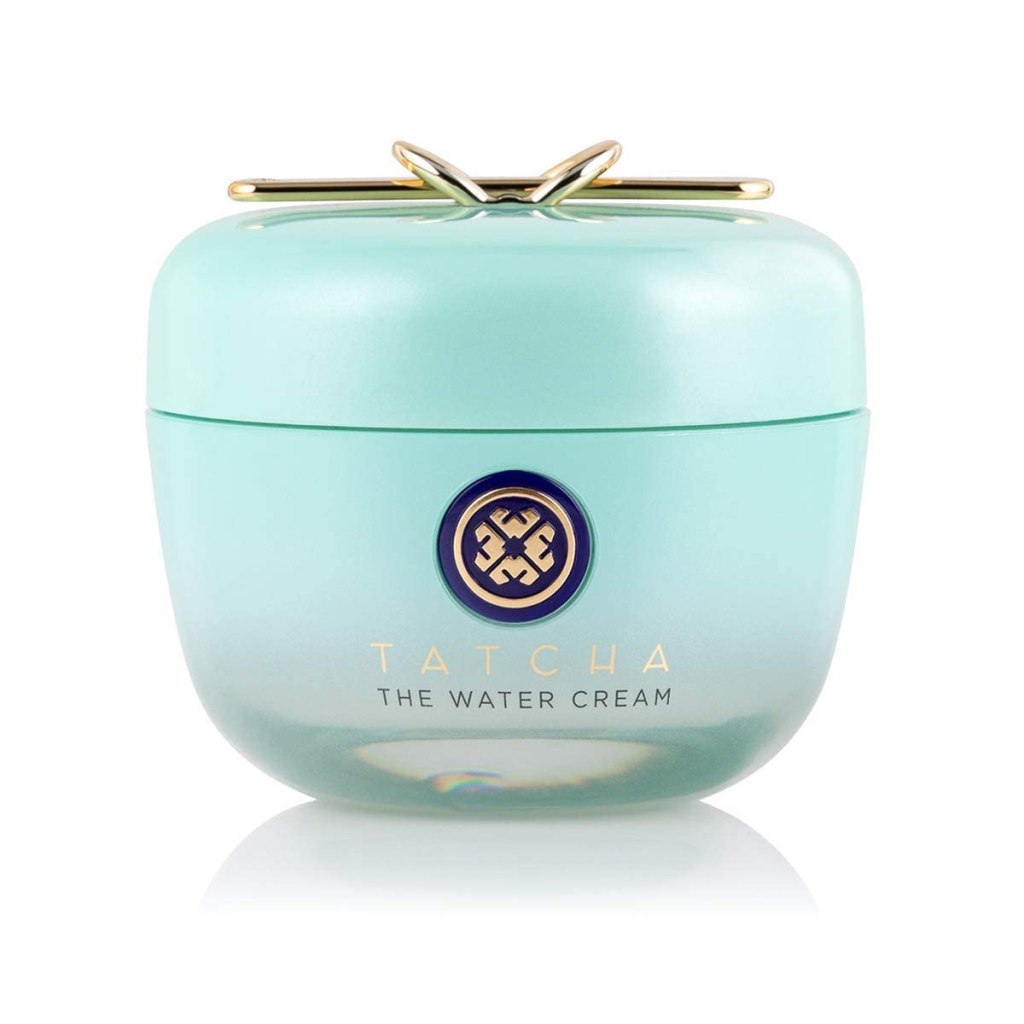
- Tatcha The Water Cream

Masks (Optional):
- Laneige Water Sleeping Mask (Hydrating)
- Origins Clear Improvement Mask (Detoxifying)
Serums (Optional):
- The Ordinary Buffet (Hydrating and anti-aging)
- Skinceuticals C E Ferulic (Antioxidant and brightening)

General Tips:
- Always patch-test a product before applying it to your entire face.
- Stick to a routine to give products time to work, but adjust as necessary for seasonal changes or shifting skin needs.
- Use sunscreen daily, no matter your skin type, to protect against UV damage.
These are just a few product suggestions, but there are many more out there for each skin type. Always choose what works best for your skin’s unique needs!

 EveryNBet Living