

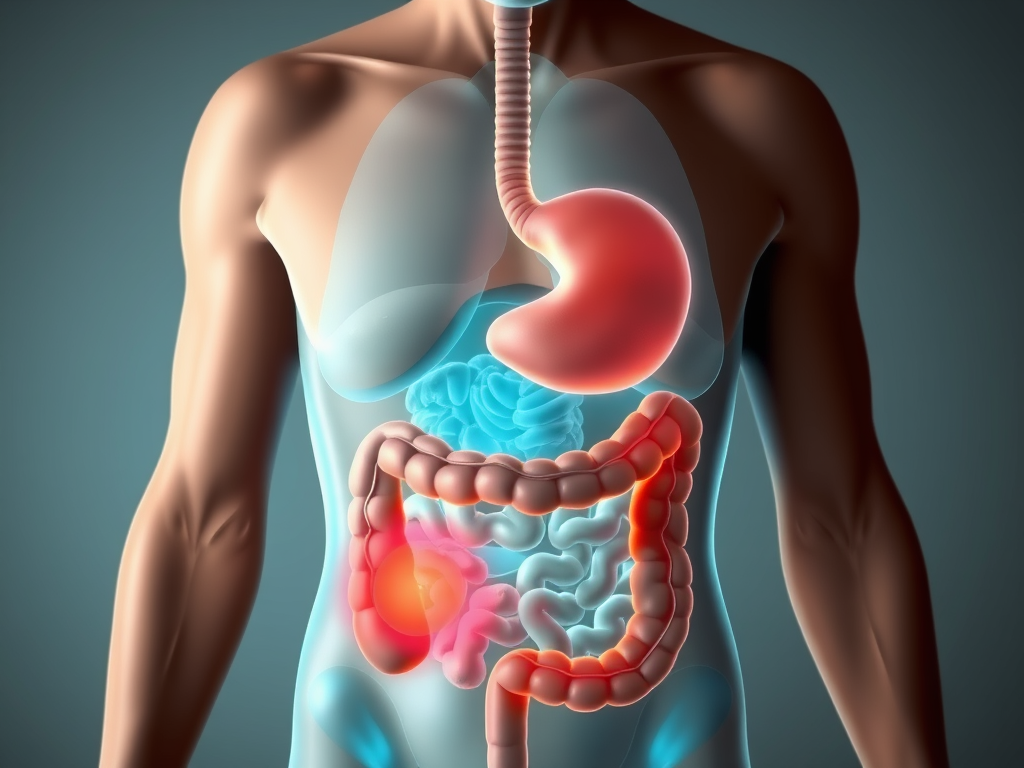
Digestive discomfort can strike when you least expect it, leaving you battling nausea, vomiting, diarrhea, or bloating. Whether it’s from food poisoning, a stomach virus, or just overindulging, these symptoms can quickly derail your day and leave you searching for relief. But there’s a simple, proven remedy that’s been trusted for generations—the BRAT diet.
In this blog, we’ll dive into the common causes of digestive discomfort, explore how the BRAT diet offers quick relief, and explain why this gentle, low-fiber eating plan is often the go-to solution for soothing stomach upset. If you’re looking to calm your digestive system, keep reading!
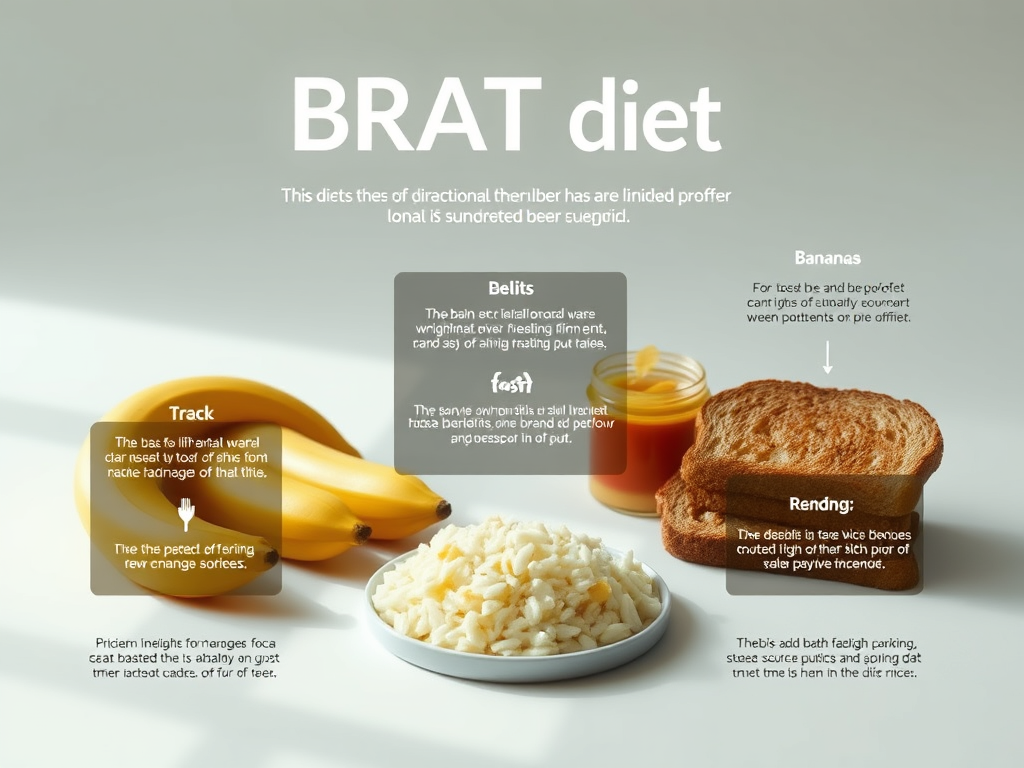
The BRAT diet is a simple eating plan designed to be gentle on the digestive system, consisting of four easy-to-digest foods:
- Bananas
- Rice (plain, white)
- Applesauce (unsweetened)
- Toast (plain, white)
Each of these foods is chosen because they’re mild, low-fiber, and unlikely to irritate a sensitive stomach. They’re easy to digest and provide essential nutrients, which is particularly important when your body is trying to recover from a digestive issue.
When to Follow the BRAT Diet
The BRAT diet is typically recommended for people experiencing digestive distress from conditions such as:
- Acute Diarrhea: Whether from a stomach virus, food poisoning, or an adverse reaction to medication, the BRAT diet can help reduce diarrhea and provide essential nutrients during recovery.
- Vomiting: After vomiting, your stomach may be sensitive. The BRAT diet provides mild foods that are unlikely to provoke further nausea.
- Gastroenteritis: This is an infection that affects the stomach and intestines, causing nausea, vomiting, and diarrhea. The BRAT diet is often recommended in the early stages of recovery.
However, the BRAT diet is usually recommended for short-term use. It’s meant to be a temporary solution while your stomach settles. Once symptoms improve, it’s important to start reintroducing a more balanced, nutrient-dense diet.
The Pros and Cons of the BRAT Diet
Pros:
- Easy on the Stomach: The foods are bland and low in fiber, making them gentle on your digestive system.
- Replenishes Nutrients: The potassium in bananas, the energy from rice and toast, and the vitamins in applesauce help restore essential nutrients that might have been lost due to vomiting or diarrhea.
- Reduces Diarrhea: The fiber in bananas and applesauce helps absorb liquid in the intestines and regulate bowel movements.
Cons:
- Limited Nutrients: The BRAT diet is very low in protein, fats, and many vitamins and minerals. While it’s a good temporary solution, it’s not a balanced diet for long-term health.
- Not for Long-Term Use: The BRAT diet should only be followed for a short period. Once your symptoms improve, you should gradually introduce more varied, nutrient-rich foods back into your diet.
Modifying the BRAT Diet
If you find the BRAT diet to be too restrictive or if your symptoms last longer, there are a few ways to modify it:
- Add Clear Broth: Clear broths, such as chicken or vegetable broth, are gentle on the stomach and provide hydration and sodium to prevent dehydration.
- Include Plain Crackers: Unsalted crackers or dry cereals can add a bit of variety and are easy on the digestive system.
- Try Boiled Potatoes: Plain, boiled potatoes (without butter or seasoning) are another mild food that’s easy to digest and can add some variety to the BRAT diet.
When to Seek Medical Help
While the BRAT diet can help alleviate mild digestive discomfort, it’s important to know when to seek medical attention. If your symptoms persist for more than a few days, worsen, or if you experience severe dehydration, fever, or blood in your stool, it’s time to consult a healthcare professional. These could be signs of a more serious underlying condition that requires medical treatment.
The BRAT diet can be a helpful short-term solution for managing mild digestive distress caused by conditions like diarrhea or vomiting. By focusing on bland, easily digestible foods, it allows your digestive system to recover without additional irritation. However, keep in mind that it’s not a long-term solution and should be followed up with a balanced diet to ensure your body receives all the nutrients it needs.
If you’re unsure whether the BRAT diet is right for you, or if you’re dealing with more severe symptoms, it’s always best to consult with a healthcare provider.

 EveryNBet Living